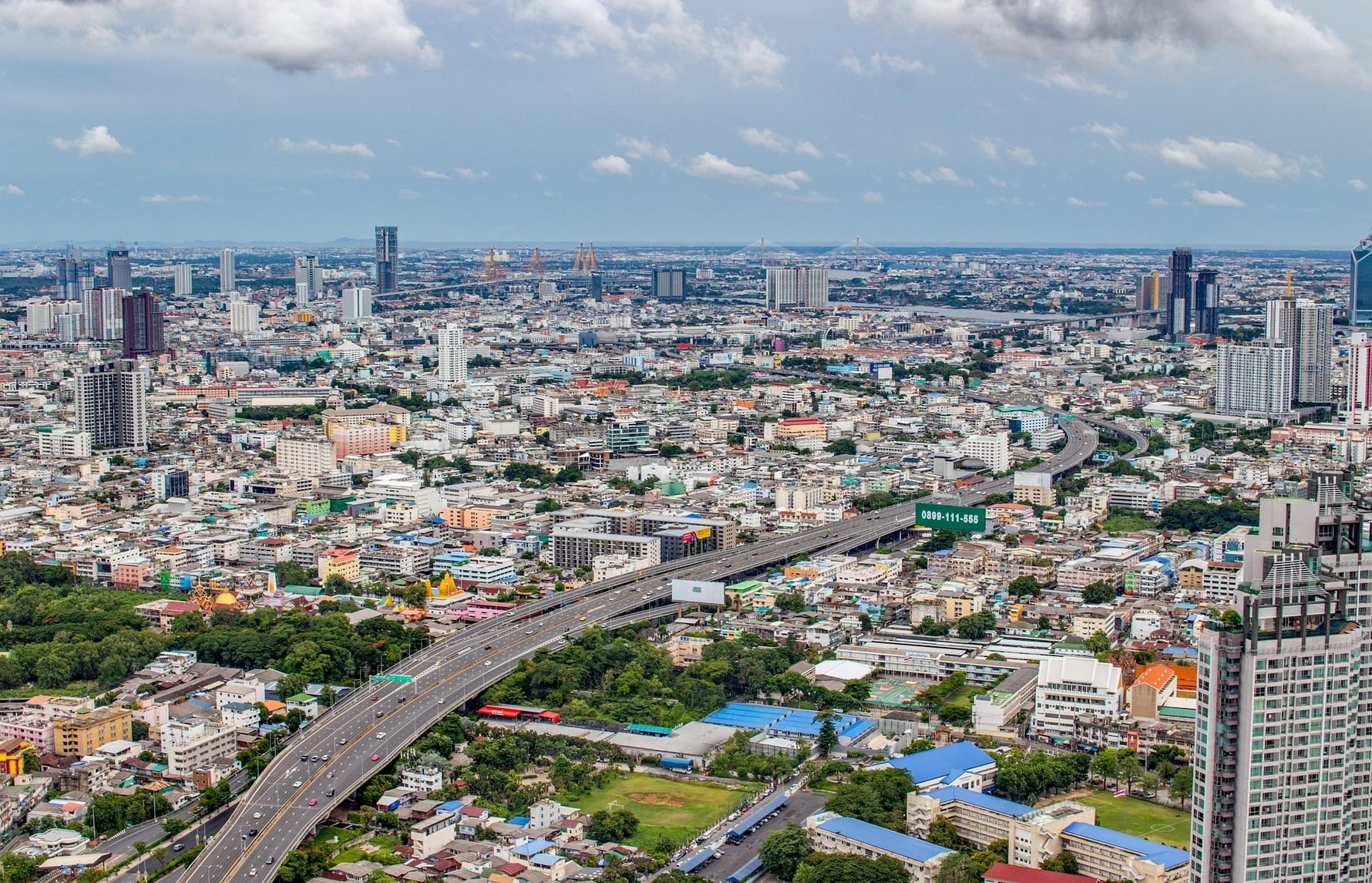
Bangkok is not one city. It is several cities operating simultaneously within the same administrative boundaries, loosely connected by elevated rail lines and the largely theoretical possibility of getting somewhere by road in under an hour. Understanding which part of it you're in – and which part you'd like to be in – is the most useful piece of pre-trip thinking you can do.
What follows is an honest account of Bangkok's main neighbourhoods for visitors: what they actually feel like, who they suit, and what the trade-offs are. We are not going to tell you Khao San Road is "vibrant and full of life" and leave it at that. You deserve more than that.
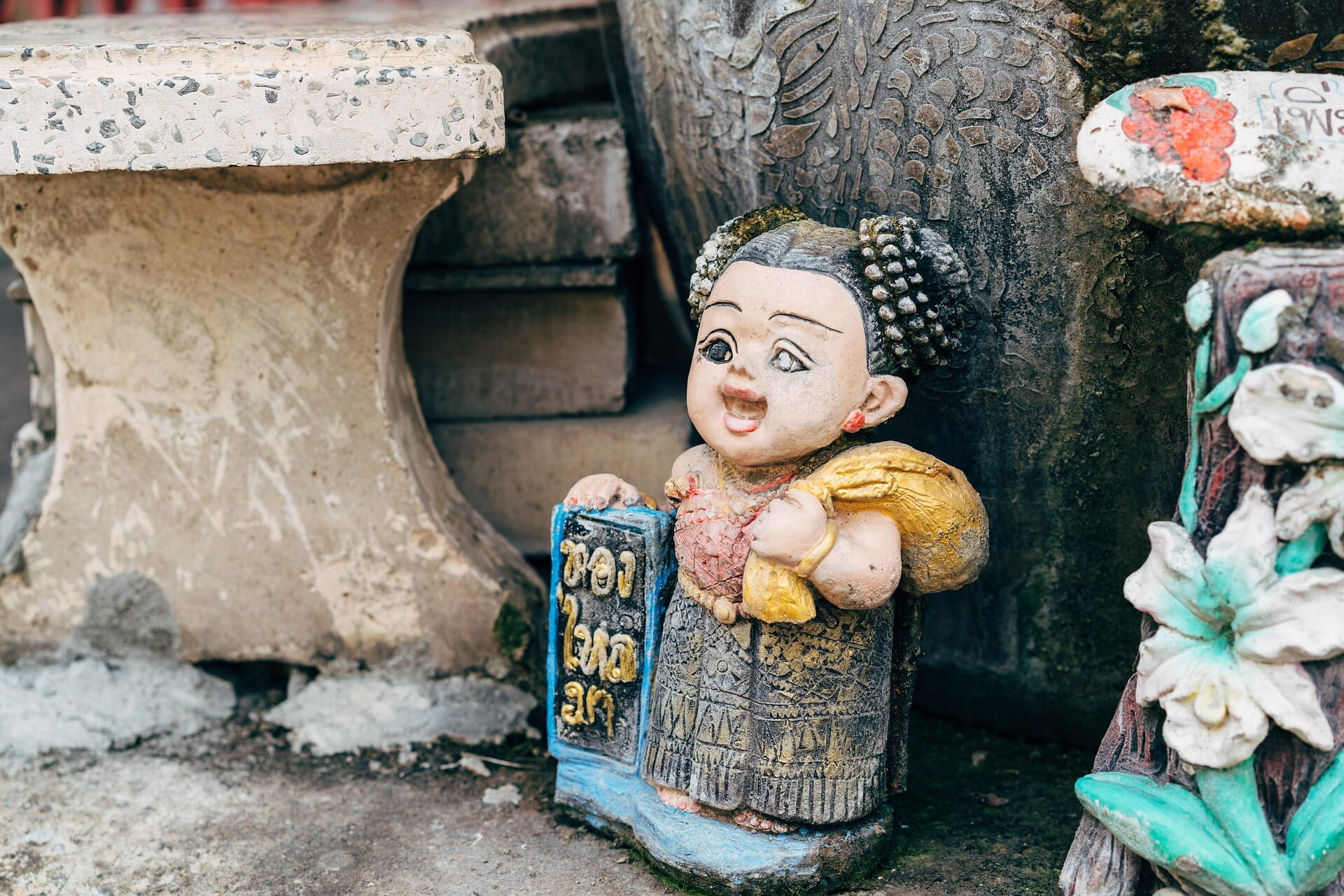
Rattanakosin is where Bangkok began and, for many visitors, where it makes the most immediate sense. The Grand Palace, Wat Pho, the National Museum, the amulet market, the flower market at Pak Khlong Talat – the historic core of the city is concentrated here on a peninsula of land surrounded by the Chao Phraya and a web of old canals. Walking its streets early in the morning, before the tour groups arrive, between gold-spired temples and orange-robed monks and wooden shophouses that haven't changed their appearance in decades, is one of the better experiences Bangkok offers.
Staying here puts you closest to the major sights and gives you river access to Wat Arun and the boat network. The trade-off is isolation from the BTS: the MRT Blue Line now reaches Sanam Chai station (near Wat Pho) and Tha Chang (near the Grand Palace), which has improved matters considerably, but you'll still use taxis or tuk-tuks more than in the new city. The accommodation options range from excellent riverside boutique hotels to budget guesthouses of variable quality. It is not the place if you're planning evenings out – the area quiets down considerably after dark. Best for: first-timers who want to immerse in history, temple-focused itineraries, river-access days.
Banglamphu and Khao San Road
Adjacent to Rattanakosin but a different world in character, Banglamphu is the backpacker district that Khao San Road made famous and which has spent the past decade in a state of slow-motion identity renegotiation. The road itself – a short strip of bars, street food, guesthouses, tattoo parlours, and people selling pad thai to other tourists – has been here in more or less this form since the 1980s, and a certain kind of traveller finds it exactly what they were looking for. A certain other kind finds it exactly what they were hoping to avoid.
The honest position: Khao San Road is fine for what it is, which is a well-organised tourist bubble with cheap beer, reliable street food, and convenient access to the Old City sights. It is not Bangkok at its most authentic, interesting, or even particularly cheap by current standards. The surrounding streets of Banglamphu – Rambuttri, Phra Athit Road – are genuinely more pleasant and offer much the same convenience without quite the same concentration of vendor pressure. The Phra Arthit boat pier is nearby, which is the real logistical asset of basing yourself here. Best for: budget travellers, first-timers happy with a social scene, easy Old City access.
Chinatown (Yaowarat)
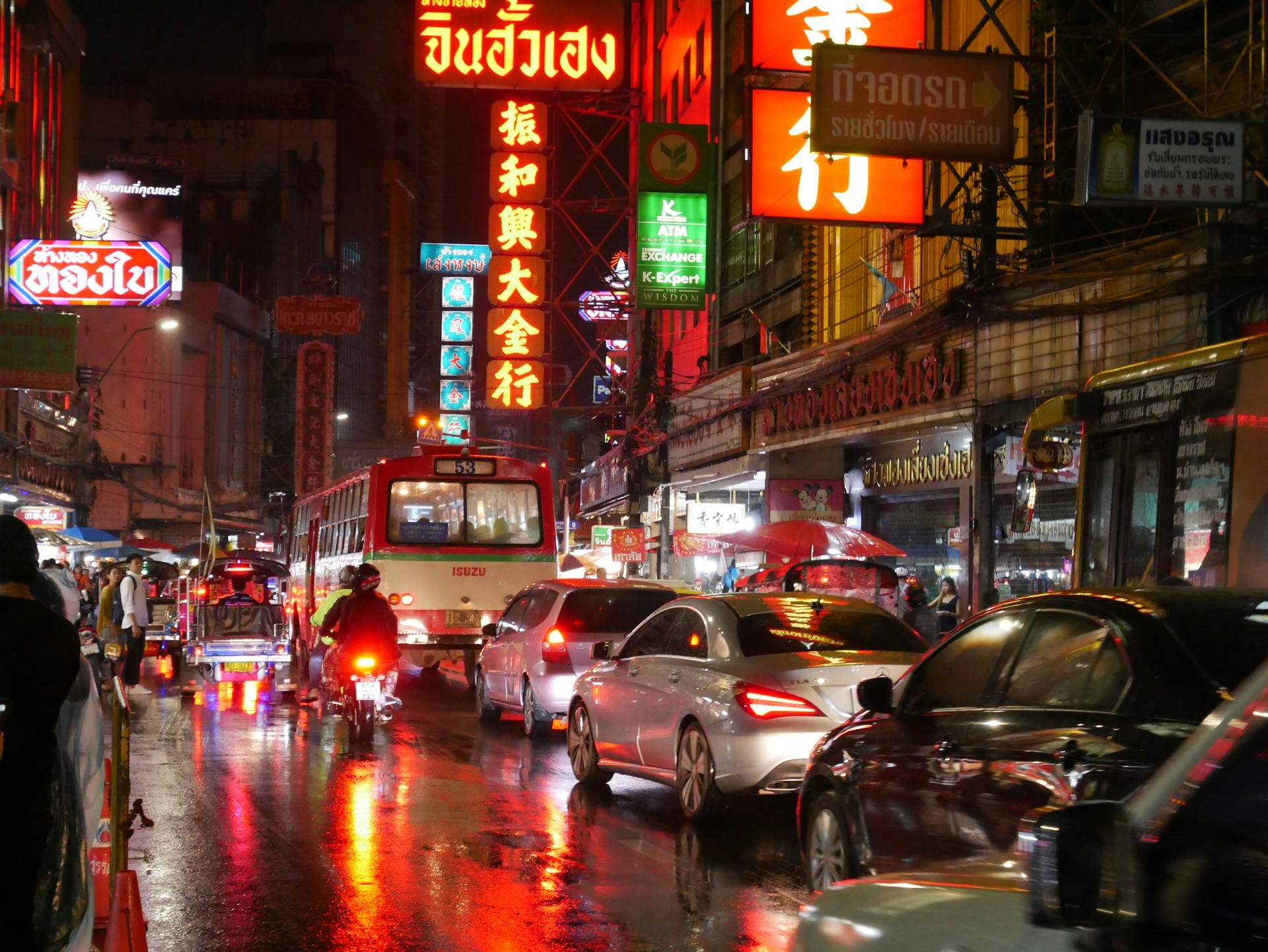
One of the largest Chinatowns in the world, and the neighbourhood that most reliably delivers on Bangkok's promise of sensory overload. By day it is dense, gold-shophouse-lined, and busy with a working commerce that has nothing to do with tourism – dried goods, wholesale fabric, hardware, herbal medicine, the full chaos of a district that has operated as a trading hub since the eighteenth century. By night, when Yaowarat Road lights up in neon and the street food vendors take over a lane of the road, it becomes something genuinely electric.
The food is the real reason to be here. Chinatown is where Bangkok's street food culture is at its most concentrated and its most photogenic, and an evening spent working through it – grilled seafood, boat noodles, roast duck, kuay jab (peppery rolled rice noodle soup), decade-old stalls that have mastered exactly one thing – is hard to beat anywhere in the city. Staying here is noisier and more cramped than most other areas, and the MRT Blue Line's Wat Mangkon station (opened in 2019) has made it vastly more accessible. Best for: food obsessives, atmospheric staying options, proximity to both Old City and river.
Silom and Sathorn
Silom is Bangkok's financial district by day and a genuinely good neighbourhood by night, which is an unusual combination. The office workers who fill it between nine and six are replaced, not entirely but convincingly, by people who have come for the food, the rooftop bars, Lumpini Park at dusk, and – on Soi 4 – the city's LGBTQ+ bar scene, which is long-established, welcoming, and one of the most visible in Southeast Asia. Patpong, which runs between Silom and Surawong, has been famous since the 1960s as Bangkok's red-light district and continues to operate roughly as advertised alongside its night market, which sells the usual market things.
Lumpini Park, at the northern end of Silom, is Bangkok's largest green space and functions as the city's lungs and recreational centre simultaneously. Early mornings here – tai chi practitioners, joggers, monitor lizards going about their business entirely unbothered – are a particular pleasure.
Sathorn, running parallel to Silom to the south, is slightly more residential and slightly more expensive. The Saphan Taksin BTS station connects both areas directly to the river pier network, making Rattanakosin and the Old City straightforwardly accessible. Both are served by BTS and MRT. Best for: mid-range to luxury stays, good restaurant access, LGBTQ+ travellers, anyone who values the park.
Siam and Pratunam
Siam is the commercial heart of modern Bangkok: the point where the two BTS lines cross, the location of Siam Paragon, CentralWorld, and MBK, and the functional centre of the city's retail universe. As a place to stay it is supremely convenient for the rail network and for shopping; as a neighbourhood it has essentially no character of its own beyond commerce. If your ideal evening involves wandering interesting streets and eating at neighbourhood places, you will need to travel from here. If your ideal day involves easy access everywhere and the option of an excellent food court at 10pm, this is your base.
Pratunam, a short walk east of Siam, is Bangkok's wholesale fashion district and home to some of the most competitively priced accommodation in the central city. It is dense, functional, and not especially charming, but the value proposition is real and the BTS is within reach. Best for: shoppers, transit convenience, value mid-range accommodation.
Sukhumvit
Sukhumvit Road runs for kilometres to the east from Asok, and "Sukhumvit" covers enough ground to be effectively several different neighbourhoods stitched together. It makes more sense to think of it in sections.
Lower Sukhumvit (roughly Nana to Asok, Sois 1–23) is where the international expat presence is most concentrated, the hotels are plentiful, and the street-level mix includes everything from excellent Thai food to restaurants catering to every nationality that has ever established a community in Bangkok. It is also where Nana Plaza sits, one of the city's most explicit red-light concentrations, so the character varies significantly depending on which soi you're on and what time it is.
Mid Sukhumvit (Phrom Phong, EmQuartier, Soi 33–55) is glossier, more expensive, and home to Bangkok's Japanese community – the izakayas and ramen shops and grocery stores here are the real thing. EmQuartier is one of the city's better malls if you care about such things.
Thong Lo and Ekkamai (Sois 55 and 63) are where Bangkok's wealthy young Thais eat, drink, and go out. The restaurants here are excellent, the bars are stylish rather than raucous, and the general energy is cosmopolitan in a way that doesn't feel like it's performing itself for foreigners. This is what a lot of people mean when they say they want to "see how locals live", even if the locals in question are at the wealthier end of the spectrum.
On Nut (Soi 77 onward) is where Bangkok gets more affordable and more residential. Less interesting as a destination but good value for anyone on a budget who doesn't mind a BTS journey to the action. Best for: first-timers (mid Sukhumvit), expat scene and nightlife (lower Sukhumvit), upscale dining and local cool (Thong Lo/Ekkamai), budget stays (On Nut).
Ari
Five BTS stops north of Siam, Ari is what people mean when they say they want somewhere that feels like a real neighbourhood rather than a tourist corridor. It is leafy, relatively quiet, full of good independent cafes, and almost entirely free of the vendor pressure that comes with areas closer to the major sights. The residents skew young, Thai, and professional – it is a place where you are much more likely to be the only foreigner in a coffee shop than to be surrounded by other travellers.
The trade-off is distance: Ari is not the base of choice if your trip is built around the Grand Palace and Chinatown. It is extremely good if you want somewhere calm to sleep and eat well, with the convenience of easy BTS access to everything else. Chatuchak Weekend Market is a couple of stops away. Best for: repeat visitors who've done the sights, slow travellers, anyone who finds the tourist-heavy areas exhausting.
Thonburi
The west bank of the Chao Phraya – older, quieter, and less visited than almost anywhere on the eastern side. Wat Arun is here, and so are several excellent riverside hotels, a network of canals that give a clearer picture of what Bangkok looked like before roads took over, and a pace of life that feels noticeably different from the city across the water. Thonburi is not a neighbourhood many visitors base themselves in, largely because the BTS and MRT don't reach it directly, though the BTS Gold Line now extends to the ICONSIAM riverside development nearby. For those who want a genuine remove from the tourist circuit, staying on the Thonburi side – accessed by ferry from various Chao Phraya piers – has a quiet case to make. Best for: canal and temple itineraries, riverside luxury hotels, genuine separation from the tourist mass.
A Quick Decision Guide
It is your first time in Bangkok and you want to see the temples: Rattanakosin or Banglamphu, prioritising river access.
You want a central base with everything on the BTS: Silom or mid-Sukhumvit, depending on budget and tolerance for noise.
You are primarily here for the food: Chinatown for street food, Thong Lo for restaurants.
You have been before and want to find something that feels more like the actual city: Ari.
You want the most convenient transport hub: Asok/Sukhumvit, where the BTS Sukhumvit Line and MRT Blue Line cross.
You want a quiet riverside stay: Thonburi or the southern riverside hotels near Saphan Taksin.