


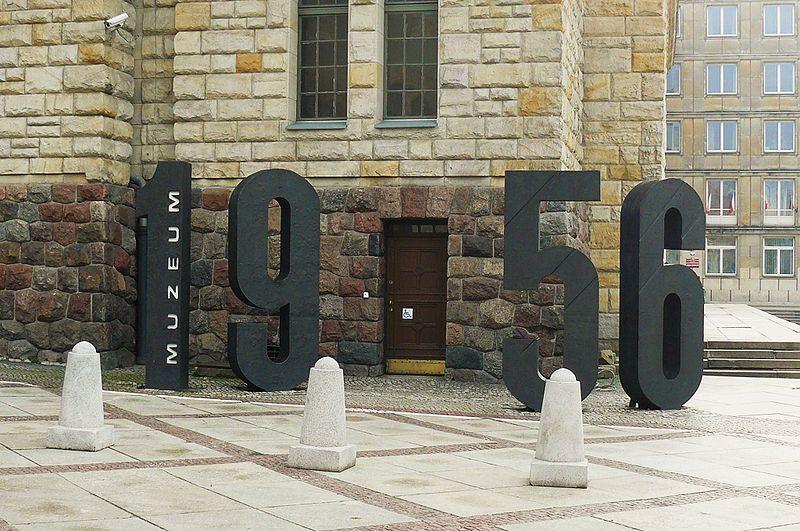
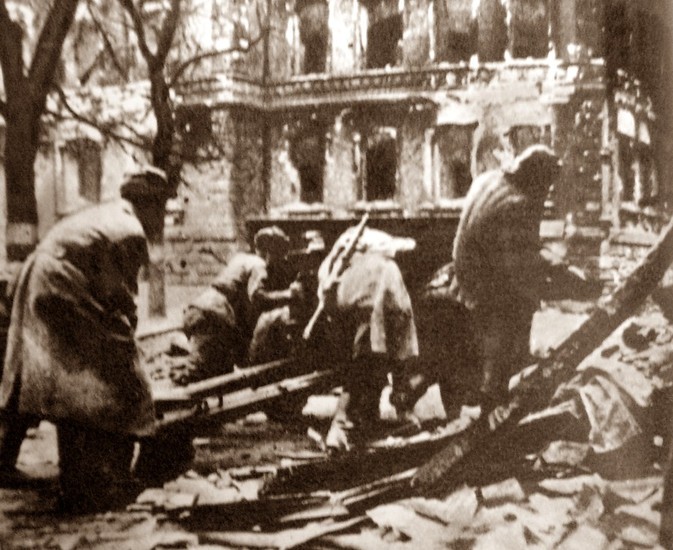
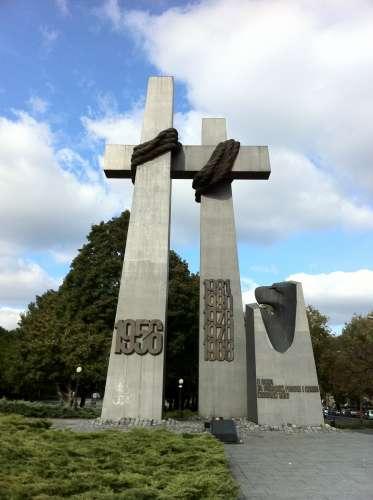
One of Poznań’s less fortunate uprisings, this museum tells the story of the first armed protest against Poland’s communist regime. On June 28, 1956, some 100,000 workers took to the streets demanding better conditions, but when the protest turned violent, it was met with tanks and gunfire. Around 100 people were killed in the brutal crackdown now known as ‘Black Thursday.’ Located in the basements of the Imperial Castle, this museum's immersive, modern exhibits trace the social tensions that led to the uprising, the day’s tragic events, the trials that followed, and the regime’s efforts to suppress the truth. Displays include a tank, stretchers used to carry the wounded, a display of arms and rifles, a room of Socialist propaganda posters, a typical Poznań family's flat from the 1950s, and a direct copy of a detention cell. Most poignant of all, however, is the space set aside for 13-year-old Roman Strzałkowski - the youngest to die in the troubles - including his harmonica, domino set, and newspaper clippings showing Strzałkowski picking up prizes for his piano skills. All told it’s a powerful, sobering and expertly-presented experience. Recommended.
Average visiting time: 2hrs.
1956 Uprising Museum
1/9
Venue Info


Phone
(+48) 61 852 94 64

Website
http://www.wmn.poznan.pl
You might also be interested in

Associated Venues
Check out other destinations in Poland


Comments
Megan
Yorkshire
4. 6. 2026
Wish they had more English translations, but you still learn a lot from visiting. Very interesting and well worth it.
Skyler Mae
4. 6. 2026
I have been to the Museum and enjoyed it very much. I am from England and found that the majority of the displays were also in English. I really enjoyed going inside the old tram and hearing the heroic stories of people who perished trying to save others. I found it very interesting and would very much recommend you go and have a look if you ever go to Poznan.The man working at the desk was most helpful he gave us a badge and a very informative book (in English) about the uprising presidents and more of an insight as to what happened in correct English. I would just like to say that I thoroughly enjoyed the experience!
Lance Grundy
4. 6. 2026
This small but historically important museum is well worth 30-odd minutes of anybody’s time. Most of the exhibition is in Polish although all of the audio-visual exhibits and some of the main exhibits are also in English. There is an English language guide available for purchase “Poznan in June 1956 A Rebellious City” which combines numerous photographs of the uprising with a comprehensive day-by-day hour-by-hour for 28 June explanation of events as they happened. Sadly the typeface is so small you’ll have no chance of being able to read it while you’re in the museum and you may still need a magnifying glass to read it after you've left - or maybe it‘s just time for me to buy a pair of glasses. My only criticism of the exhibition is that the important displays about Roman Strzałkowski appeared to be only in Polish meaning I had to consult the internet after I’d left to find out who he was and exactly what had happened. A major oversight in my opinion. If anyone from the Museum reads this then please could you rectify this ASAP.My overriding memory of the museum is the photo wall showing the photographs of many of those arrested and some of those killed. Shockingly most of them were 13-17 year old kids. Please do take the time to visit here if you’re ever in Poznan.