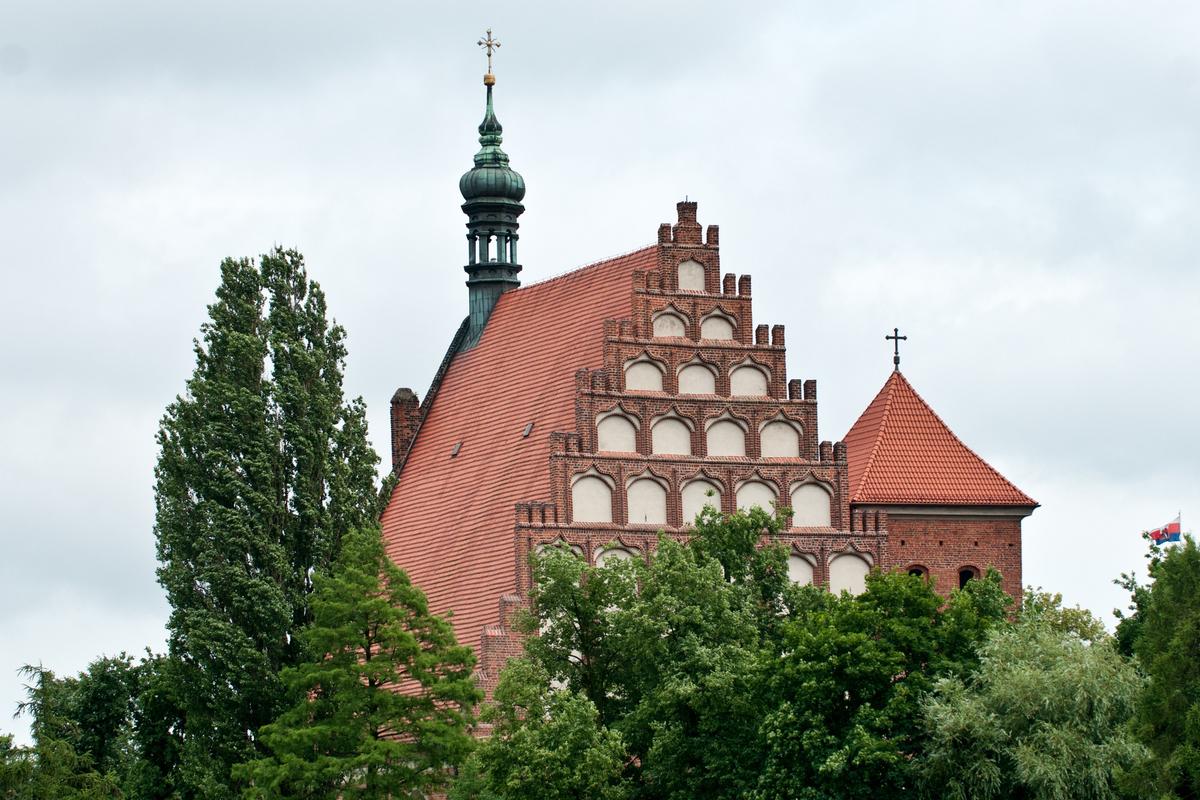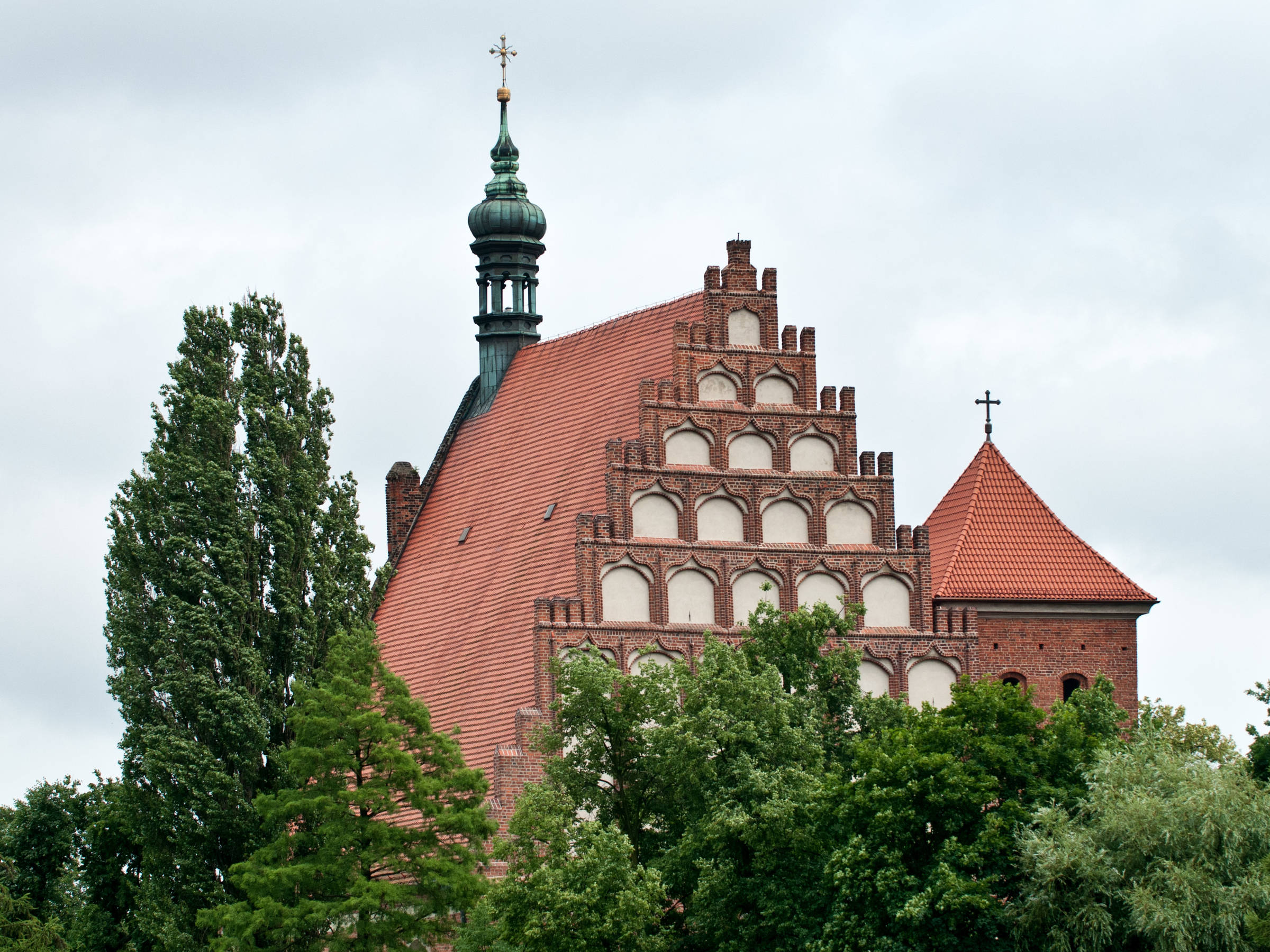


Bydgoszcz's oldest remaining church is an exquisite example of the so-called Vistulan Gothic style, and is, in a word, spectacular. Parts of the building date back to the middle of the 15th century, and while the exterior is handsome enough, what really sets this church apart from the rest is its glorious interior. Those who've visited St. Mary's Basilica in Kraków will recognise the design instantly, as the vivid reds and purples that cover the walls and ceilings are credited to an original idea by none other than Poland's creative genius Stanisław Wyspiański (although the actual design is believed to have been dreamt up by one of Wyspiański's students, Stefan Cybichowski). Painted between 1922 and 1925 by Henryk Jackowski, the polychrome masterpiece has its roots in the modernist ideas of the art nouveau 'Młoda Polska' (Young Poland) movement. Combined with no fewer than seven Baroque altars, a 1467 painting of Madonna with a Rose, and some other priceless antiques, this is a Bydgoszcz must-see.
In January of 2018, the cathedral became the scene of something straight out of National Treasure - if you replace Nick Cage with a team of local conservators and labourers. During some renovation work, the team discovered true riches underneath the floor: 480 coins and some 200 other golden artefacts dating back to the 16th century, probably hidden away (very successfully) during the Swedish Deluge of 1655-1660. The treasure can now be viewed in the Money Museum - an obvious choice.
In January of 2018, the cathedral became the scene of something straight out of National Treasure - if you replace Nick Cage with a team of local conservators and labourers. During some renovation work, the team discovered true riches underneath the floor: 480 coins and some 200 other golden artefacts dating back to the 16th century, probably hidden away (very successfully) during the Swedish Deluge of 1655-1660. The treasure can now be viewed in the Money Museum - an obvious choice.