Zurich was ranked the world's most expensive city in 2025. We mention this not to put you off – we've already established that Zurich is worth it – but because honesty demands we acknowledge the situation before cheerfully telling you how to sidestep it. The good news is that a city this wealthy also tends to be one that takes its public spaces, parks, riverbanks and cultural institutions seriously, and several of the best things Zurich offers cost precisely nothing. With a bit of planning, you can spend a thoroughly decent day here without parting with anything more than the price of a coffee, which will still be expensive, but this is Switzerland and there are limits to what we can do.
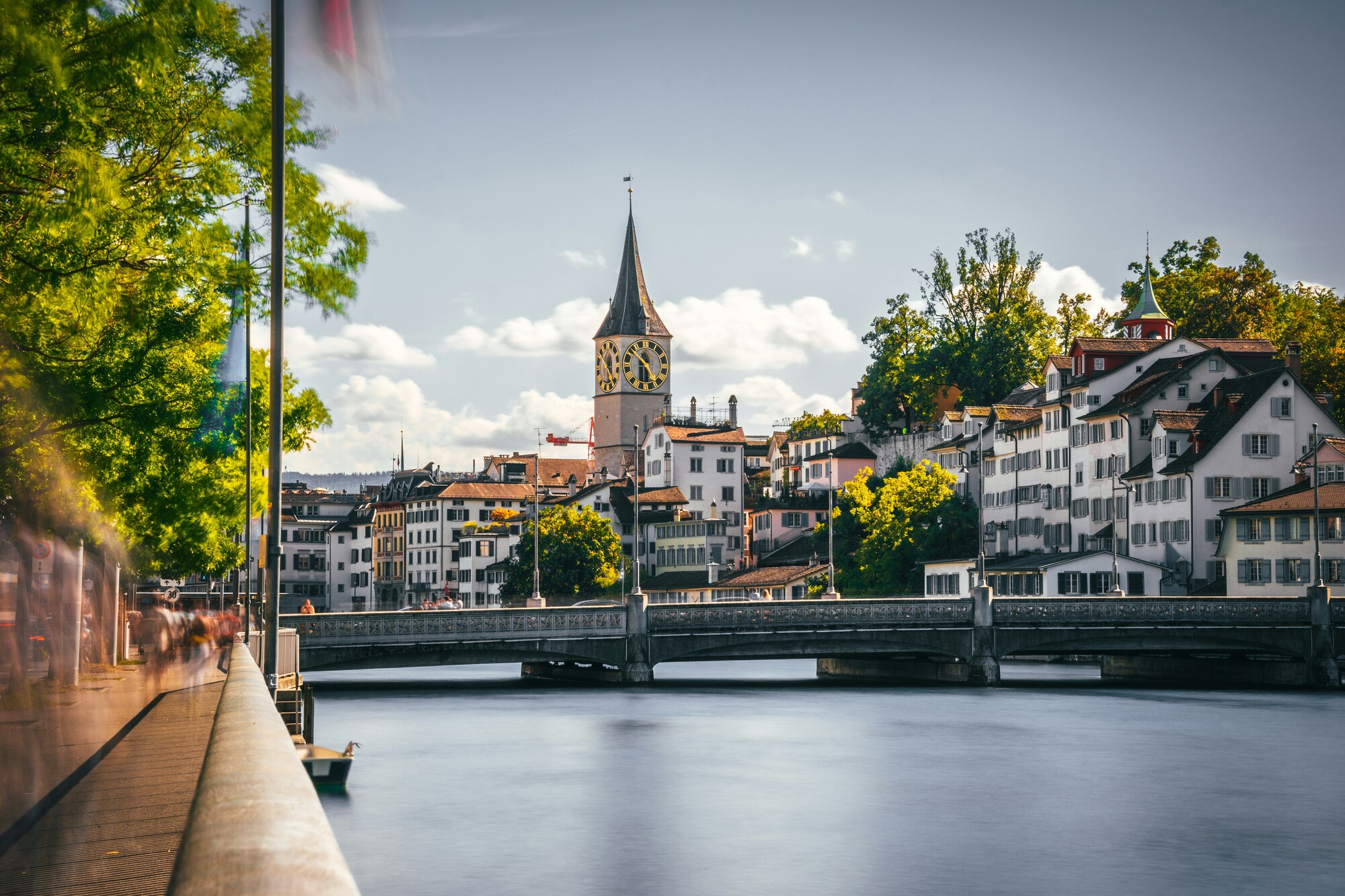
The Altstadt costs nothing to enter, which is just as well because it is the best thing in Zurich. Both banks of the Limmat are covered with medieval lanes, historic squares, guild halls, churches and the kind of architecture that other cities would charge admission to stand in front of. Cross the river on the Rathausbrücke, wander up through the Niederdorf, climb to Lindenhof for the view, and come back down through the Schipfe – the narrow lane running along the left bank that is one of the more quietly beautiful streets in the city. Budget: nothing. Time required: as long as you like.
Lindenhof Hill
The small hilltop park above the old town that was the site of a Roman fort in the first century AD and is now a shaded square where locals play oversized chess and visitors catch their breath and take in a panoramic view over the Limmat, the right-bank rooftops and the hills beyond. It is one of the better free views in any European city, and it takes about five minutes to walk to from the Fraumünster. There is no admission charge because it is a park. Zurich has not yet found a way to monetise parks, though we wouldn't put it past them.
The ETH Polyterrasse
The terrace of the Swiss Federal Institute of Technology – ETH Zürich, one of the world's leading universities and alma mater of, among others, Albert Einstein – sits high above the city on the Zürichberg and offers one of the finest views in the city across the rooftops to the lake and the Alps beyond. Getting there is half the fun: the Polybahn funicular runs from Central up to the university every few minutes, and the ride itself is a small pleasure. The terrace is open to the public, the view is free, and there is a student bar nearby where the prices are rather more reasonable than the city average.
Swim in the Lake or the River
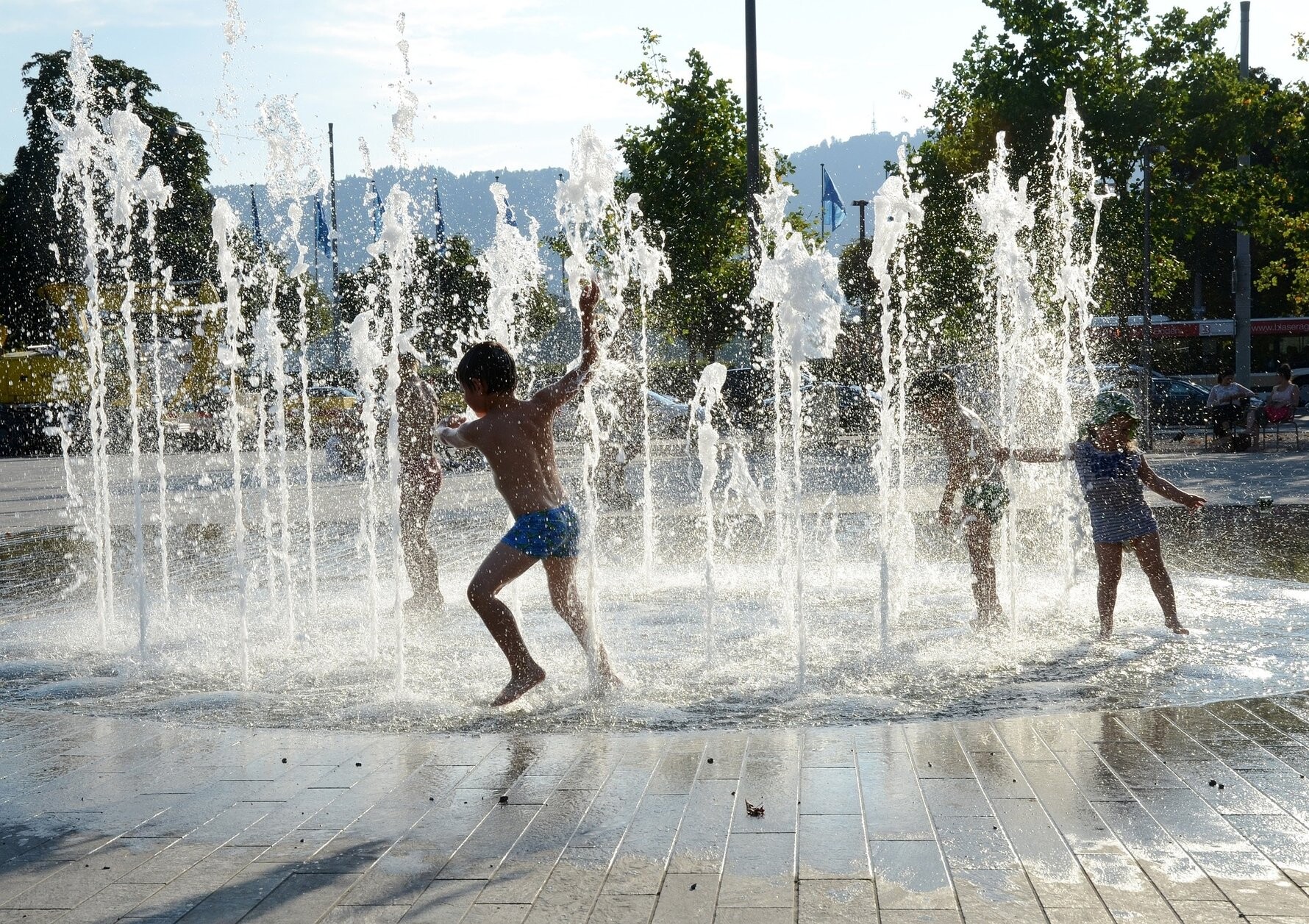
In summer, Zurich's relationship with its water is one of the most appealing things about it. The lake is clean enough to swim in – clean enough, in fact, to drink from, which is either reassuring or alarming depending on your relationship with large bodies of water – and the lakeside fills up with swimmers from June through to September. The river Limmat has its own bathing culture: the Oberer Letten and Unterer Letten are outdoor river pools where locals swim, sunbathe and socialise with an ease that cities with murkier waterways can only envy. Entry to most of the outdoor river and lake pools is either free or costs a franc or two. This is among the most enjoyable free activities available anywhere in central Europe.
Zürich West on Foot
The former industrial district costs nothing to explore and rewards the effort thoroughly. Walk the length of the Im Viadukt market under the railway arches (browsing is free; buying is not, though the temptation to do otherwise is real), continue through to the street art-covered walls of the surrounding blocks, and make your way to Frau Gerolds Garten for a coffee. The neighbourhood has a grit-meets-creativity atmosphere that the old town, lovely as it is, cannot provide, and it is best encountered on foot without a plan.
The Kunsthaus on Wednesdays
The permanent collection at Switzerland's largest art museum – Monet, Picasso, Giacometti, Munch, the works, quite literally – is free every Wednesday. This is not widely advertised, which either reflects Zurich's customary modesty or a quiet hope that nobody notices. We are telling you. Go on a Wednesday, arrive when it opens, and you will have the better part of the morning to yourself before it fills up. The Chipperfield extension and the temporary exhibitions require a separate ticket, but the permanent collection is substantial enough to make the trip worthwhile on its own.
The University Botanical Garden
There are two of them, in fact. The older garden, dating from 1837, sits on a hill near the university and contains a palm house, a Mediterranean greenhouse and a medieval herb garden that has been growing medicinal plants since before Zurich was particularly interested in finance. The newer garden at Fluntern is larger and more expansive. Both are free to enter and both are the kind of place that rewards a slow hour on a warm afternoon rather than a purposeful visit. Useful also for a reminder that not everything in Zurich operates at Swiss banking speed.
The Drinking Fountains
This one requires a reframe if you're coming from a city where tap water is a mild gamble. Zurich has around 1,200 public drinking fountains fed by Alpine spring water, many of them historic and all of them producing water that is, by any reasonable measure, excellent. Carrying a refillable bottle and using the fountains freely will save you a meaningful amount of money over the course of a day in a city where a bottle of water in a café costs as much as a modest meal elsewhere. It is also, in a city this wealthy, one of the more egalitarian pleasures available.
Uetliberg
Getting to the top of Zurich's local mountain costs the price of a standard public transport ticket – covered by any day pass or the Zürich Card – and the view from the summit at 871 metres is, on a clear day, one of the finest in the region: the city below, the lake stretching southeast, the Alps laid out along the horizon. The train from the Hauptbahnhof takes around twenty minutes; the walk from the station to the summit takes another ten. A network of hiking trails extends across the ridge for those who want more. The tower at the summit charges two francs for access to an even higher viewpoint, which we include here purely for completeness rather than endorsement – the view from the ridge itself is more than sufficient.
Free Walking Tours
A daily English-language walking tour of the old town departs from Paradeplatz at 11am. It is tip-based rather than ticketed, which means it is technically free to join, though leaving without contributing something to the guide who has just spent two hours walking you through Zurich's history would be, as one local put it to us, "not very Swiss." The tours cover the main sights well and are a reasonable way to orientate yourself on a first visit, particularly if you prefer your history delivered in person rather than read off a placard.
A Note on the Zürich Card
We've mentioned the Zürich Card elsewhere, and we mention it again here because in the context of a budget visit it bears repeating. Available for 24 or 72 hours, it covers all public transport – which is otherwise not cheap – plus free entry to most major museums including the Kunsthaus (any day, not just Wednesdays), the Swiss National Museum, Museum Rietberg and more. If you plan to visit more than two or three paid attractions, the maths tends to work in your favour quickly. It is not free, but it makes Zurich significantly less expensive, which in this city amounts to the same thing. See our full guide to Zurich's top attractions for more on what the card covers.