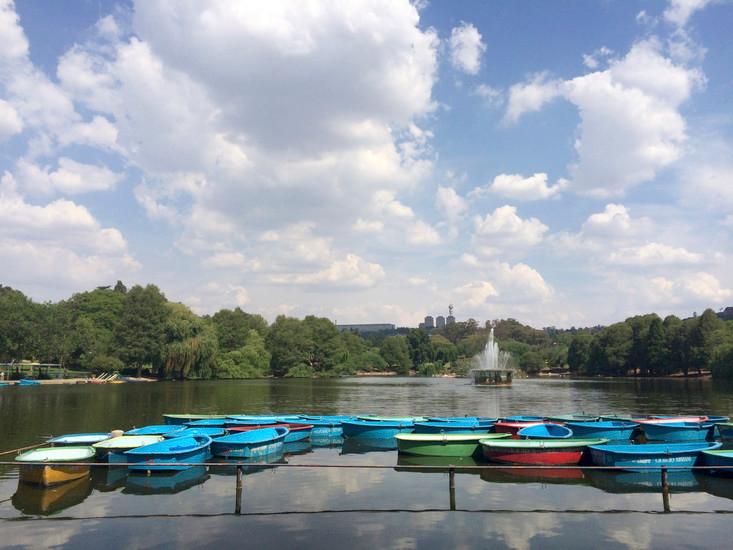
Johannesburg Zoo, founded in 1904, houses 2,000 animals across 320 species. They offer family-friendly exhibits, conservation programmes, and interactive activities for all ages. In this feature, we give a brief history of Johannesburg Zoo, the animals and exhibits you can expect to see, the activities they offer, their conservation projects, and everything you need to know to plan your visit.
For thousands of years, human beings have been fascinated by animals. We've painted them, documented their behaviour, and built spaces to observe them more closely. With 2,000 animals from 320 different species spread over 55 hectares, the internationally accredited Johannesburg Zoo is the perfect place to do just this. For families without the means to get out of the city to a wildlife reserve, the zoo has also long presented an opportunity for children to see and learn about wildlife, and the importance of conservation efforts and caring for Africa's unique biodiversity. In 2025, they're celebrating 120 years of bringing the world's animals closer to city-dwellers.
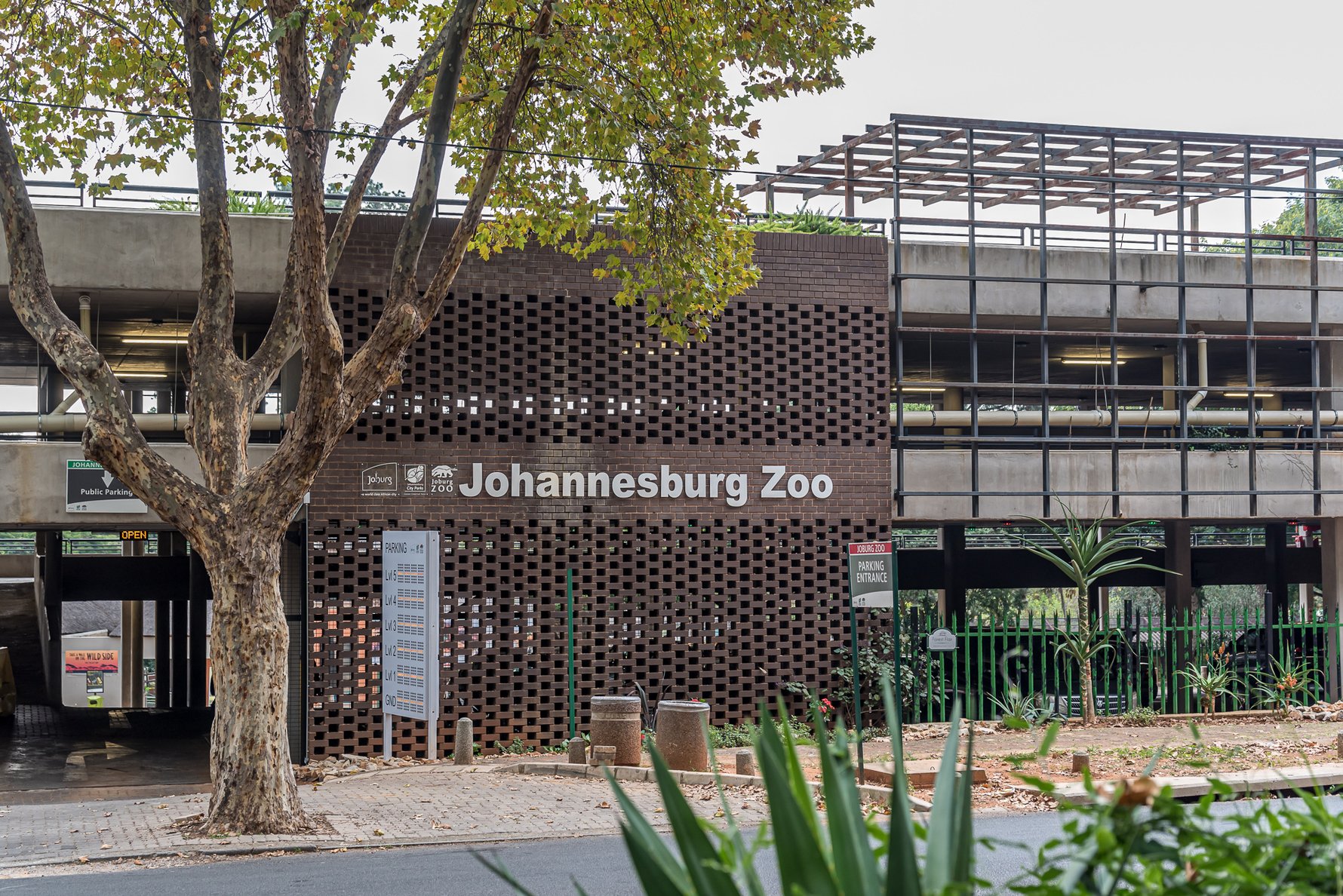
A brief history of the Johannesburg Zoo
Johannesburg Zoo was founded in 1904 when the late Hermann Eckstein donated his property to the people of Joburg for recreational use. The land, originally christened 'Sachsenwald' by Eckstein and on which he had planted three million trees, was located in what is now known as the leafy suburb of Saxonwold.
When the zoo first opened, it consisted of one enclosure that housed two lions. Other animals in Johannesburg Zoo's collection at the time were a leopard, a giraffe, two Sable antelopes, a baboon, a genet, a pair of Rhesus monkeys, a pair of porcupines, and a Golden eagle. Today, residents of Saxonwold and Parkview have been known to occasionally hear the resident lions roar at night.
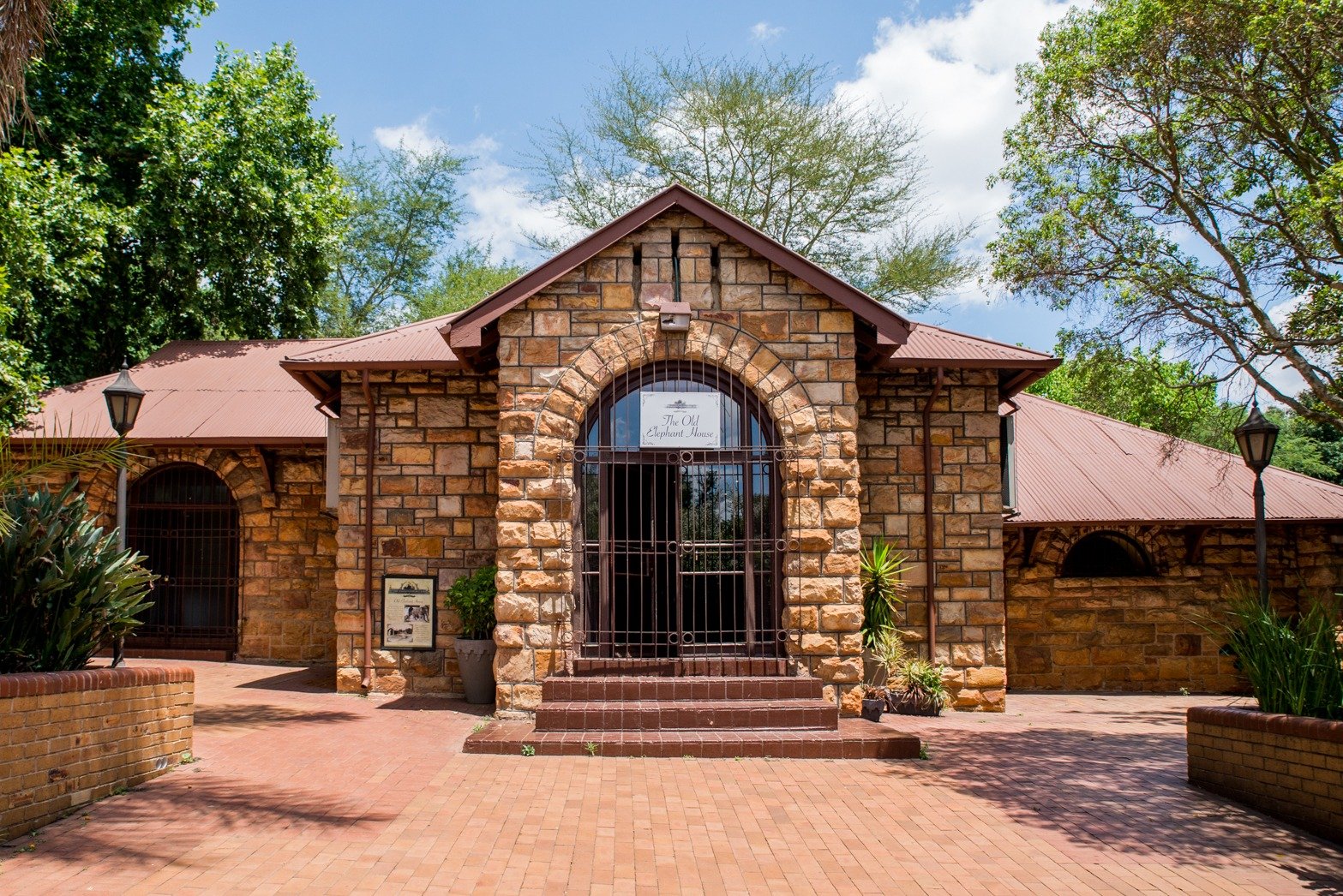
In 1910, the Bandstand was built to host brass bands, and the elephant and rhino houses were built using stone in 1913 and 1915 respectively.
Throughout its existence, Johannesburg Zoo has always been open to all races, and Eckstein would presumably be happy to know that his inheritance has become central to the urban fabric of Joburg. The original 200 acres donated by Eckstein's mining company are also host to Zoo Lake and the South African National Museum of Military History. The zoo's original collection of animals was donated to it by Sir Percy Fitzpatrick, and in honour of this donation, the bronze statue of Fitzpatrick's beloved Jock was moved to the zoo.
The early Johannesburg Zoo was a green space with wide avenues that stretched across the property. It was thought of not just as a place for holding animals, but as a garden with planned paths, trees, and lawns. It was, as Kathy Munro puts it, "a place of leisure and a cultural space for bands and concerts". While the animals were originally a mere novelty, scientific study for educational purposes has become increasingly important at the zoo. In recent years, conservation has also become a central focus, as is evidenced by Johannesburg Zoo's Rhino Conservation Programme.
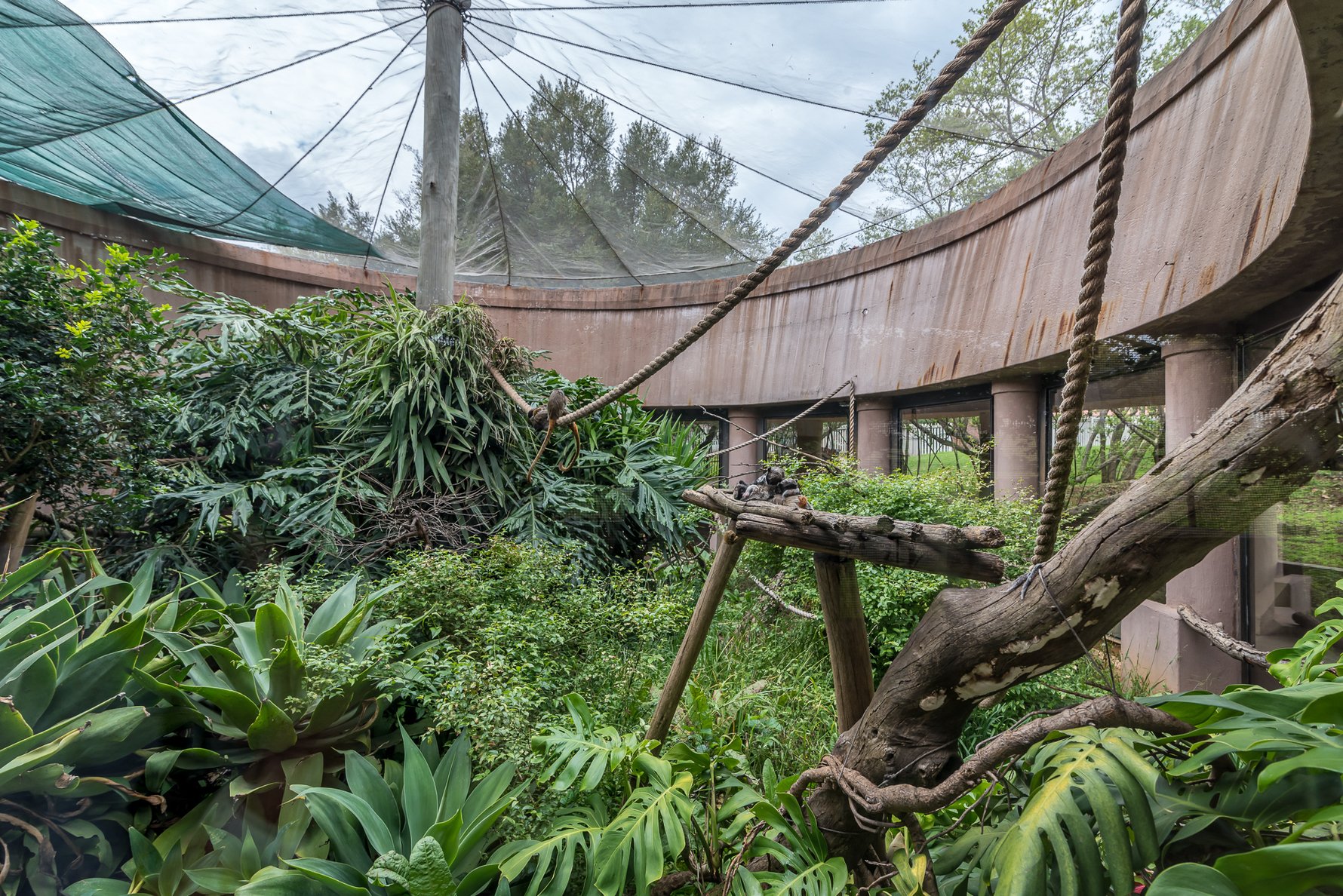
Another key feature of Johannesburg Zoo is the enclosures: while the animals were originally kept in cages or simple houses, the zoo became an early pioneer in creating enclosures that resemble the natural habitats of the animals that live there. This shift dramatically improved public perception of the zoo in the 1960s, and while some of the old enclosures were left intact as heritage structures, this approach continues to inform the design of the individual exhibits. Today, Johannesburg Zoo also hosts several educational programmes, and is part of international breeding programmes.
Animals and exhibits: Who's who at the zoo
Johannesburg Zoo is home to 2,000 animals that are divided into the following categories: birds, carnivores, frogs and reptiles, hoofed animals, and primates. These are organised into several themed exhibits, as well as the Aviary and Education Centre.AMAZONIA
The Amazonia exhibit on Amazon Avenue houses animals that are typically found in the Amazon forest, such as slinky Spider Monkeys, graceful Pumas, and odd-looking armadillos.
ANGLOGOLD LION ENCLOSURE
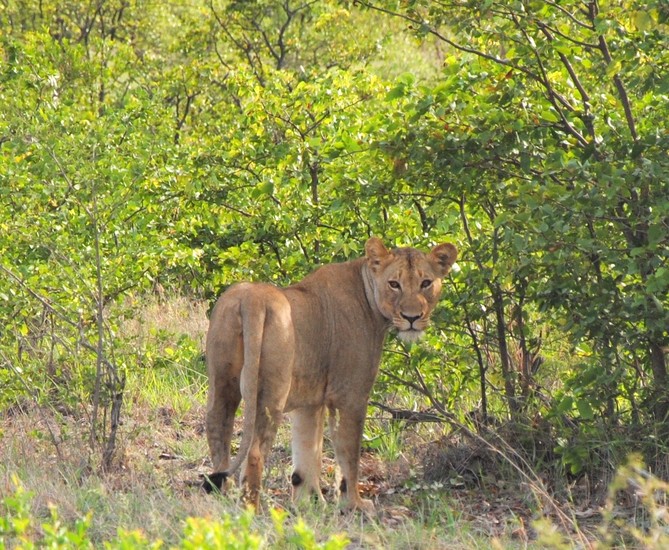
Home to many of Johannesburg Zoo's carnivores, the AngloGold Lion Enclosure houses 11 lions, including a rare white lion.
ANIMALS OF THE AMAZON
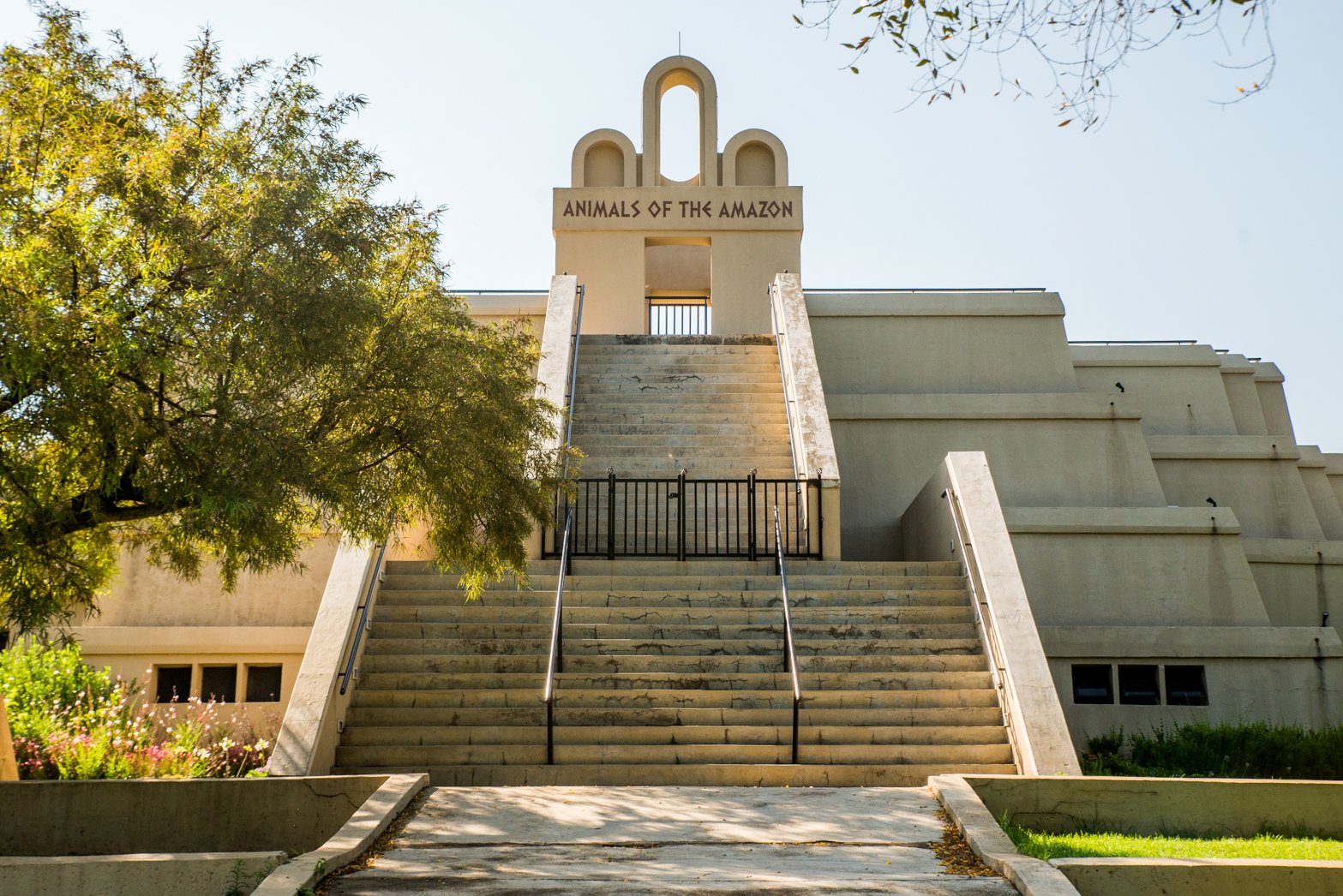
Launched in 2014, the Animals of the Amazon exhibit is a state-of-the-art enclosure that houses various creepy crawlies such as snakes, lizards, and amphibians. Highlights include an enormous and non-venomous Burmese python, some of the world's most venomous snakes, and the endangered Pickergill's Reed Frog.
APE HOUSE
In the Ape House, you will find primates such as chimpanzees, gorillas, and orangutans. Entertain yourself with the soap opera that plays out daily in the chimpanzee enclosure, or take a walk along Gorilla Walk, Monkey Lane, and Ape Alley to spend some time with some of humankind's closest relatives.
AVIARY
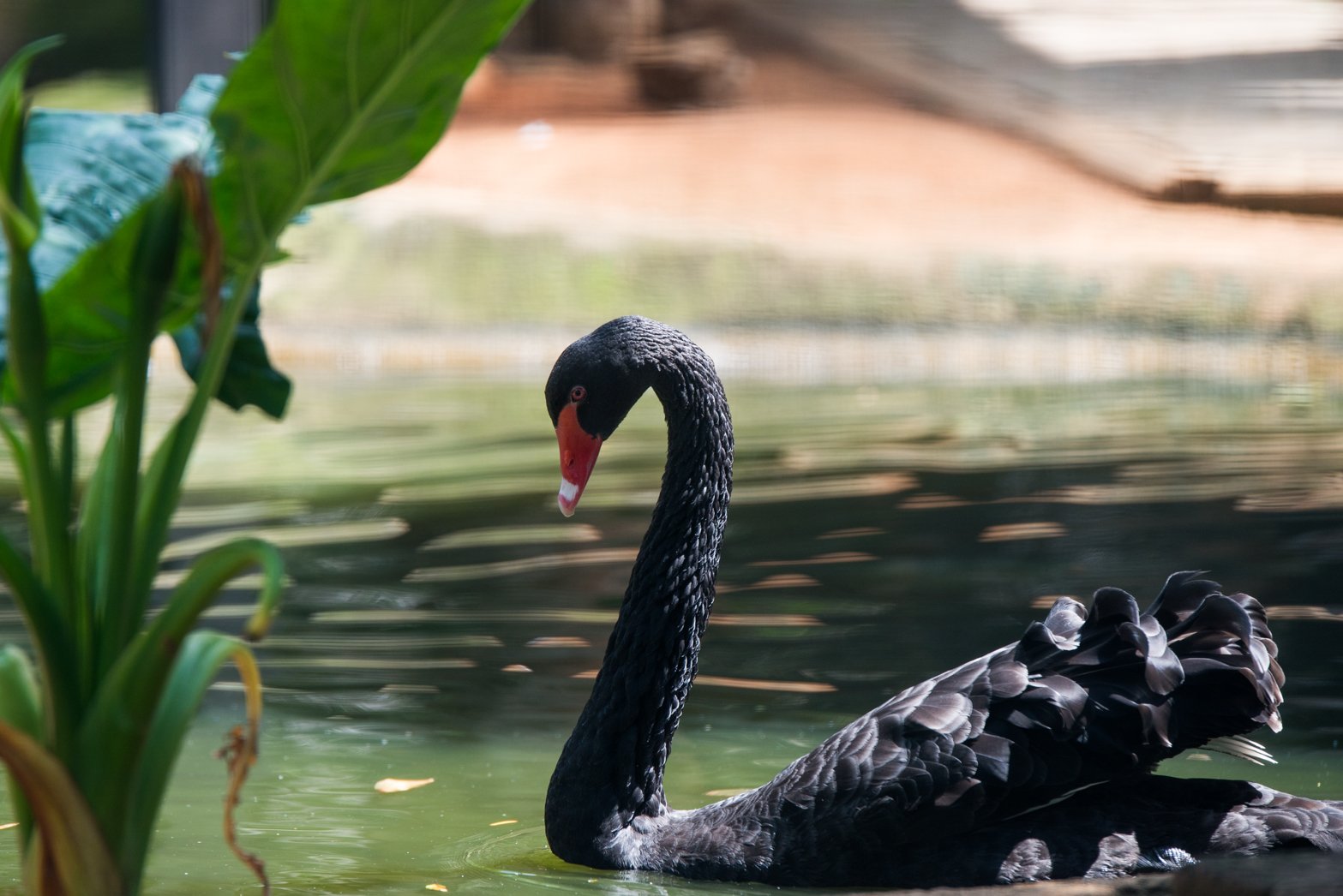
Johannesburg Zoo's 140 species of birds can be viewed Sasol walk-through aviary and the surrounding David Lewis Aviaries, as well as in the multitude of ponds and streams scattered throughout the property. Popular attractions here include the exotic Eurasian Eagle Owl, Blue-and-Gold Macaws, Whooper swans, and impressively large Pelicans.
CHEETAH SLOPES
The Cheetah Slopes exhibit, located on Gorilla Walk, is not only home to Africa's fastest carnivore, but also houses the endangered African Wild Dog and the newly-introduced Ethiopian Jackal.