One of Poznań's two zoos - the other, more modern zoo being just east of Lake Malta - 'The Old Zoo' dates back to 1874, making it one of the oldest in Poland today. Unfortunately, that age can be strongly felt, as most animals have long since left, many of the old pavilions are in disrepair, and the space has been turned into a public park, albeit a neglected one.
History
Located in the heart of Jeżyce, Poznań's 'Old Zoo' (Stare Zoo) has a curious origin story. In the 1870s, the nearby Starograd-Poznań train station (the first train station in Jeżyce) was home to a restaurant where a lawn bowling club frequently gathered in the garden. For the club president's 50th birthday, as a bit of a lark, each member gifted him a different animal - including a pig, goat, sheep, cat, rabbit, squirrel, goose, duck, chicken, peacock, a trained circus bear, and a trained monkey purchased from wandering Roma people - and this small menagerie formed the foundation of the future zoo. Enclosed in the garden of the restaurant, the animals attracted huge interest, and locals began donating more animals, leading to the foundation of the Poznań Zoological Garden Society in 1875, which primarily consisted of former bowlers. They were able to purchase nearby land from Prussian Eastern Railways, and the zoo expanded rapidly, occupying 5.24ha (12.9 acres) by the 1880s - the same size it retains today. By the 1910s, the zoo already had over 900 animals from more than 400 species, several state-of-the-art pavilions and aviaries, Johann Strauss III was performing concerts in the gardens, and it was hosting major exhibitions.
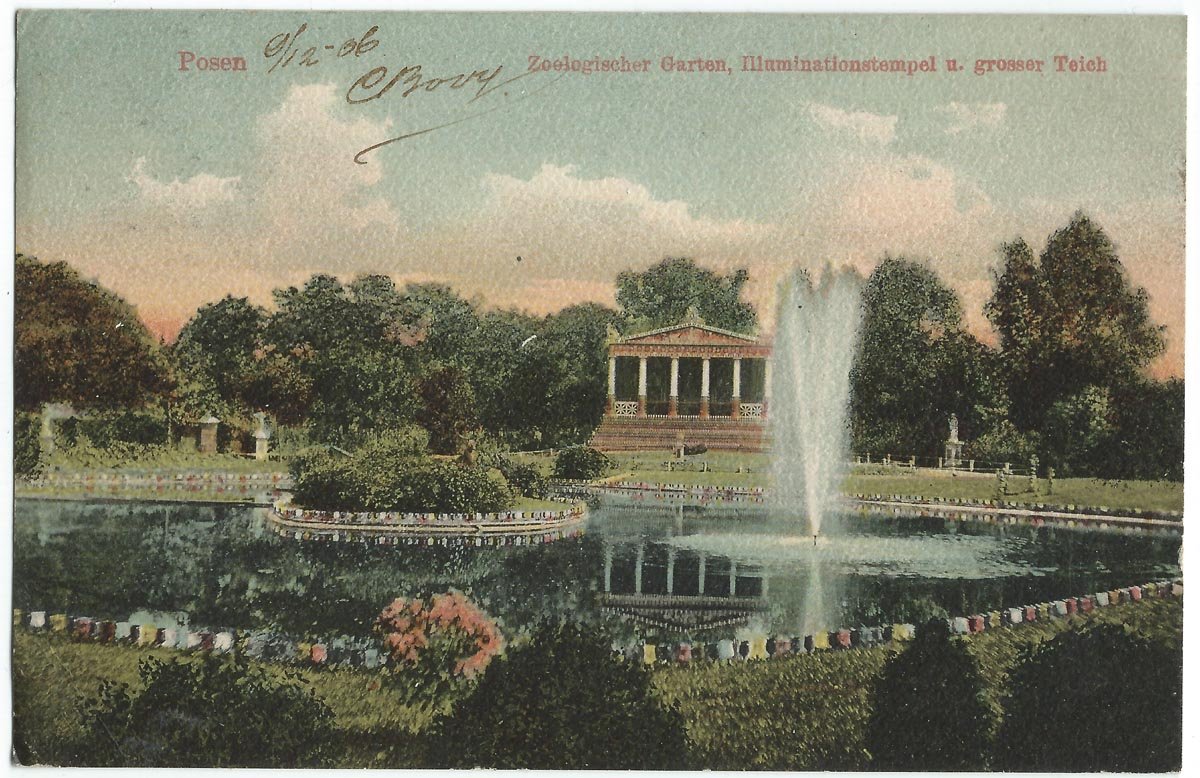
World War I, in which most of its Society members perished, briefly changed the zoo's fortunes, but it quickly rebounded. Under the Polish authorities, who took it over in the aftermath of the 'Great War' and Wielkopolska Uprising (1918-1919), the zoo acquired many new animals and visitor numbers were larger than ever, boosted by an artistic group from Ceylon - which consisted of fakirs, magicians, fire-eaters, snake charmers and exotic dancers - who were employed full-time to perform on the premises. By October 1939, the zoo was officially under Nazi German occupation and continued to be roaringly popular during World War II; so much so that Nazi authorities made plans to move it to Jan Kasprowicz Park, because there was no opportunity to expand it further in Jeżyce. Germany's fortunes in the war changed, however, as did the zoo's, with Allied bombing destroying many of the facilities and 85% of the zoo's animals perishing.
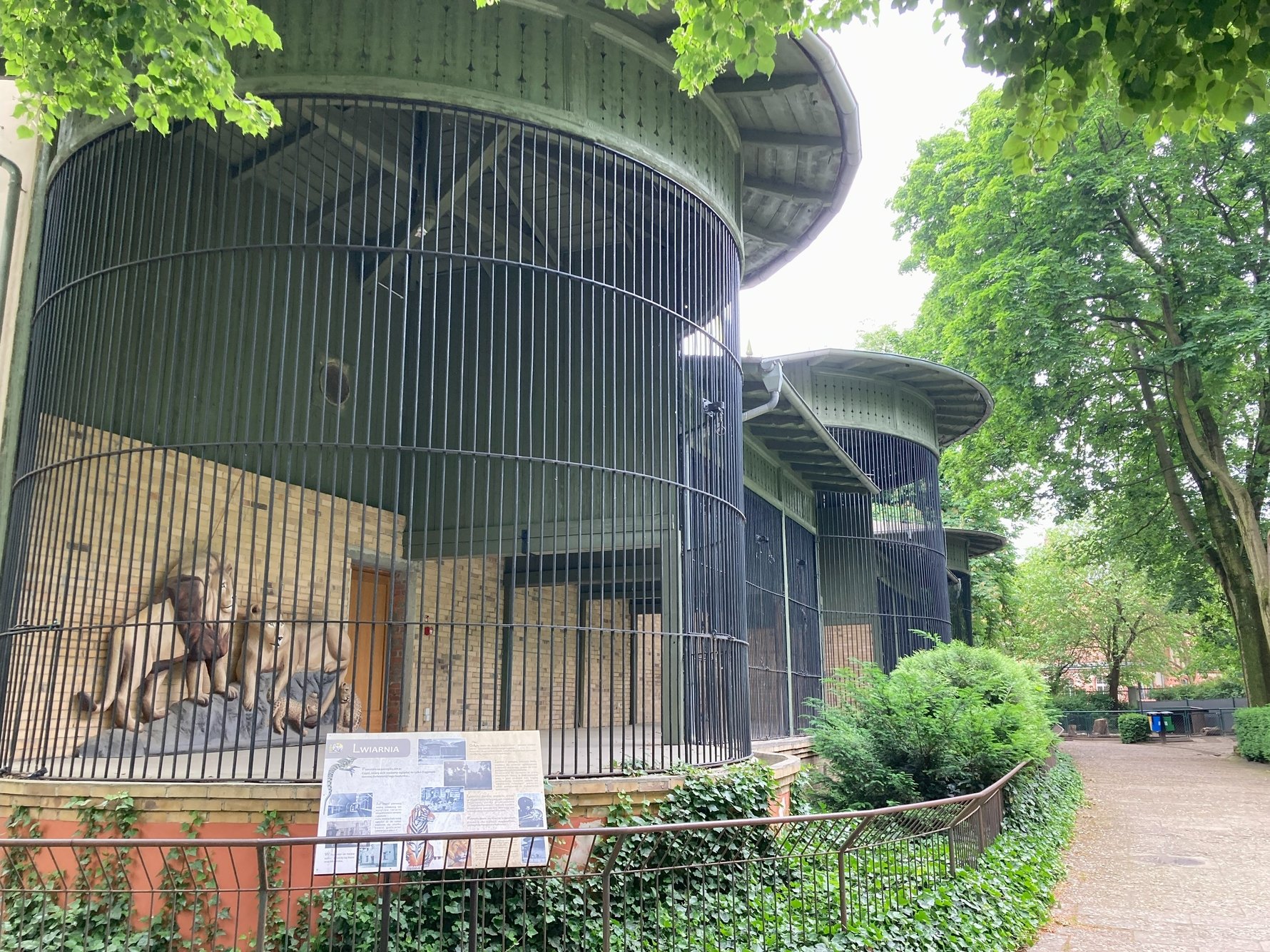
After the war, Poznań's Old Zoo once again rebounded, with new animals brought in and a complete modernisation in 1960. In 1974, on the 100th anniversary of the transformation of the garden menagerie into the Poznań Zoological Garden, Poznań's 'New Zoo' opened in Biała Góra on 120 hectares (298 acres) just east of Lake Malta. At that time, many of the Old Zoo's most popular animals were moved there, and the Old Zoo has essentially been in decline ever since, with the exception of the construction of the new Pavilion of Cold-blooded Animals in 2012. In 2022, the historic former Lion House was turned into a small museum about the history of the Old Zoo, but it can only be visited with a guide, and visits must be arranged at least one day in advance.
Visiting Poznań's 'Old Zoo'
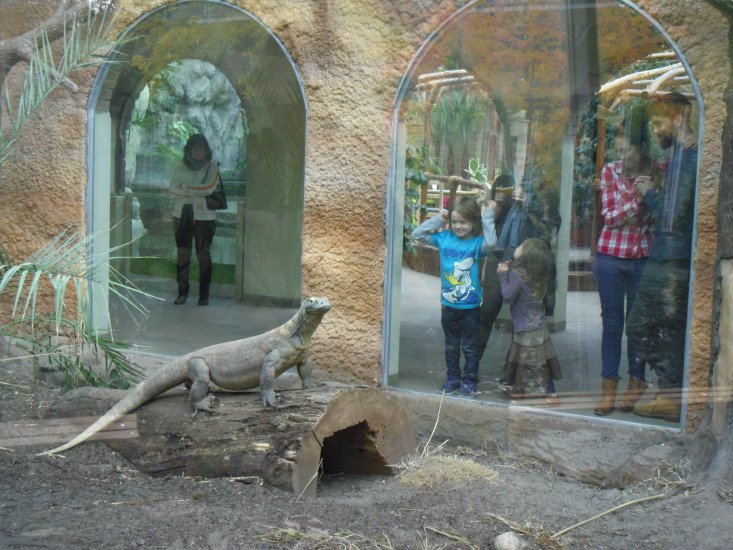
With most large animals and investment going to the 'New Zoo' site near Lake Malta for the past fifty years, Poznań's Old Zoo is basically a free public park in the centre of Jeżyce, albeit a slightly neglected one. Aside from the modern Pavilion of Cold-blooded Animals (see below), most of the pavilions and animal enclosures are empty, but there are still enough creatures on display to keep you hoping that there will be something truly special around the corner. Sadly, we didn't find it.
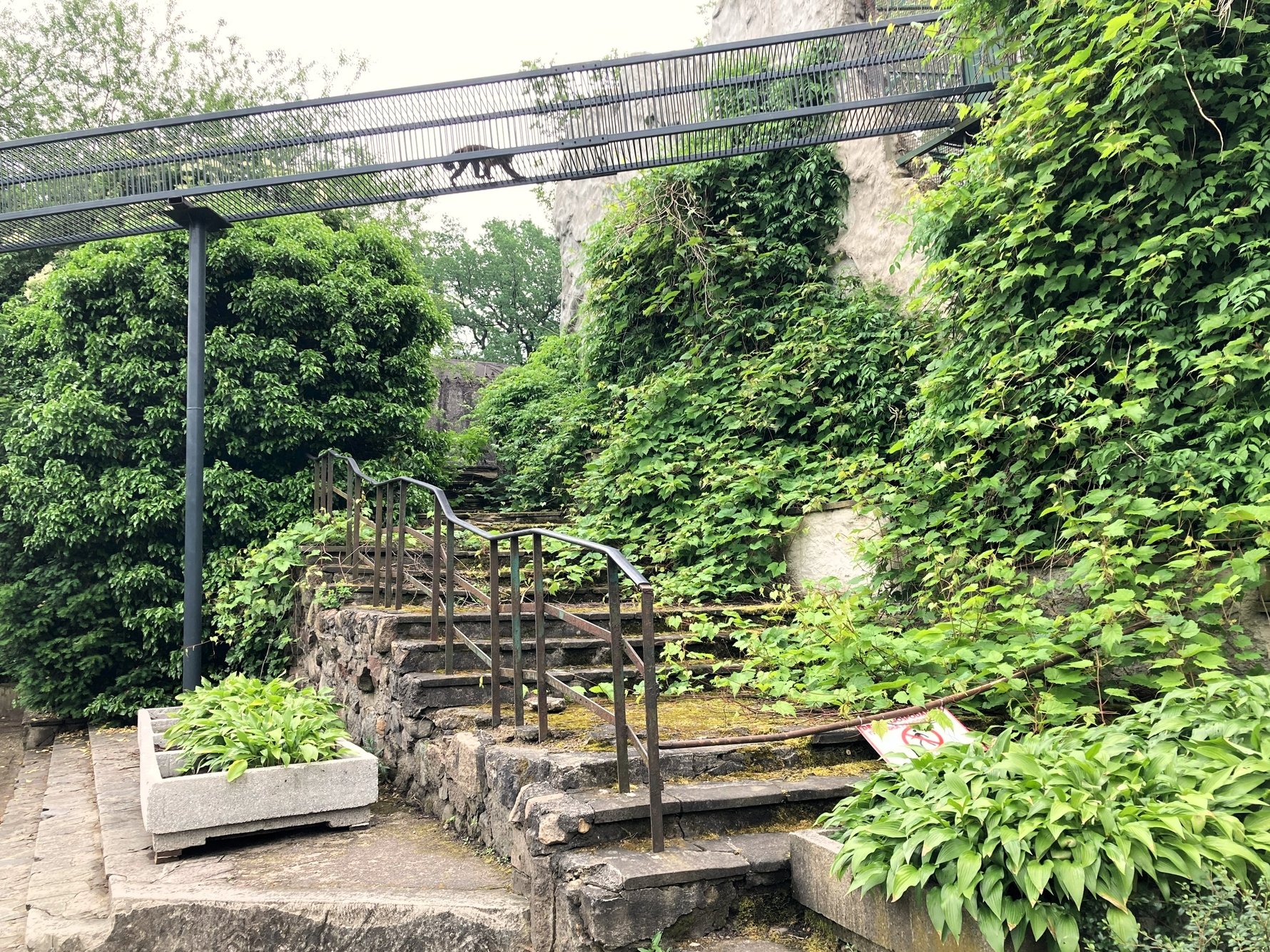
While visitors will see plenty of turtles, birds, small monkeys, wild pigs, and domesticated animals from around the world, many of these sad creatures look like they are simply living out their last days, and we suspect that for most children who are out of strollers, the overall woebegone vibe of the park will be as keenly felt as the thrill of seeing these animals in the first place. Although some of the architecture here is quite historic, its aesthetic appeal is underwhelming, some of the structures are in complete disrepair, and those that you can enter are extremely humid and smell terrible. As such, you can see why the Poznań Zoo no longer charges admission to this site.
1/11
Venue Info


Phone

Website
http://www.zoo.poznan.pl