Iceland is a pricey destination, yet there are numerous ways to encounter it without spending a fortune, including some absolutely free adventures. Most of them include sightseeing, public bathing, hiking, and being aware of the free entrance conditions for some museums and galleries around the country.
Skógafoss is a 60-meter high and 25-meters wide waterfall, located on the Skógá River, in the southern part of Iceland, around 150km away from the capital. It is one of the biggest waterfalls in the country, a top photographer hotspot, and an overall distinctive touristic destination. Its water sprays frequently create a single or a double rainbow that can burst apart your Instagram profile, and more importantly - your own, genuine, filterless memory.
Goðafoss Waterfall
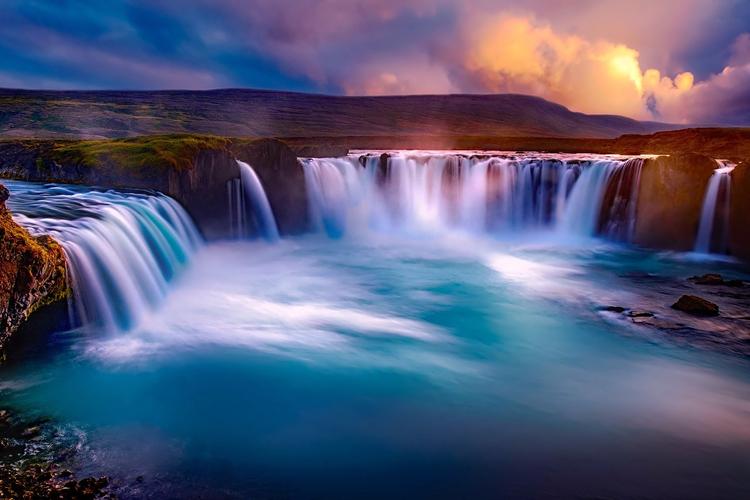
Goðafoss can literally be translated as "the waterfall of the Gods," and there is a good reason for that. The name of this 12-meter high and over 30-meter wide natural formation that runs through a 7000-year-old lava field refers to an ancient Icelandic legend. It speaks of a man who threw pagan statues into the waters shortly after Icelanders decided to convert into the Christian religion. Goðafoss Waterfall is located in the northern part of the country, about 450 km away from Reykjavik.
Seljalandsfoss Waterfall
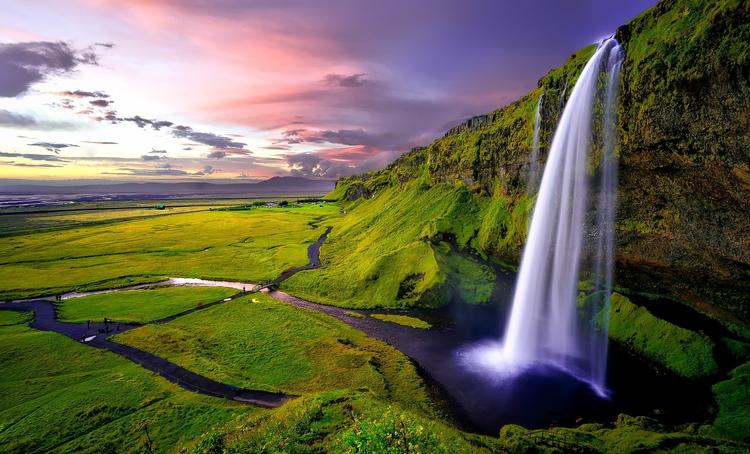
This is a 60-meter high waterfall in Southern Iceland that stands approximately 120 km away from the capital. What's unique about it is that it can be approached from behind, and that's where its actual impressiveness manifests. This picturesque scenery is easily accessible since there is a well-situated parking lot just behind the Seljalandsfoss waterfall.
Glymur Waterfall
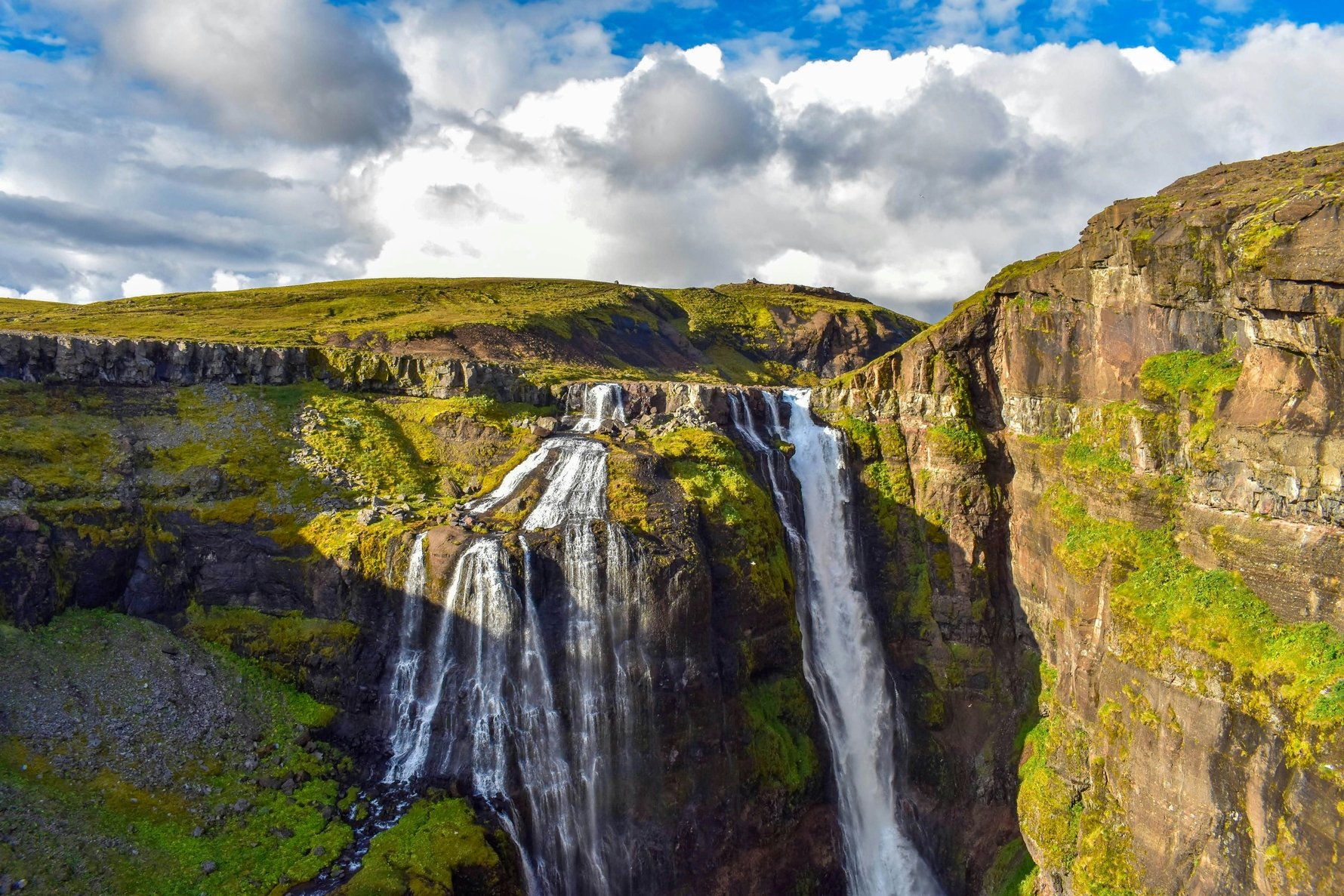
With a water cascade of 198 m, this is practically the second highest waterfall in Iceland. It takes around an hour to drive from Reykjavik to Glymur, and every meter of the trip is worth a thousand pictures. The waterfall is part of the popular 8 km Glymur Falls Loop Trail, which is a relatively easy hiking, bird watching, and landscape sightseeing walk.
Selfoss Waterfall
Selfoss waterfall is actually a group of multiple waterfalls of the Jökulsá á Fjöllum river, that formed a few kilometers before it flows into the Arctic Sea. It is located in the northern part of Iceland, more than 500 km away from the capital. It is also situated close to Dettifoss - the second most powerful waterfall in Europe, so together they compose an exceptional set of sightseeing adventures.
Kvika Foot Bath
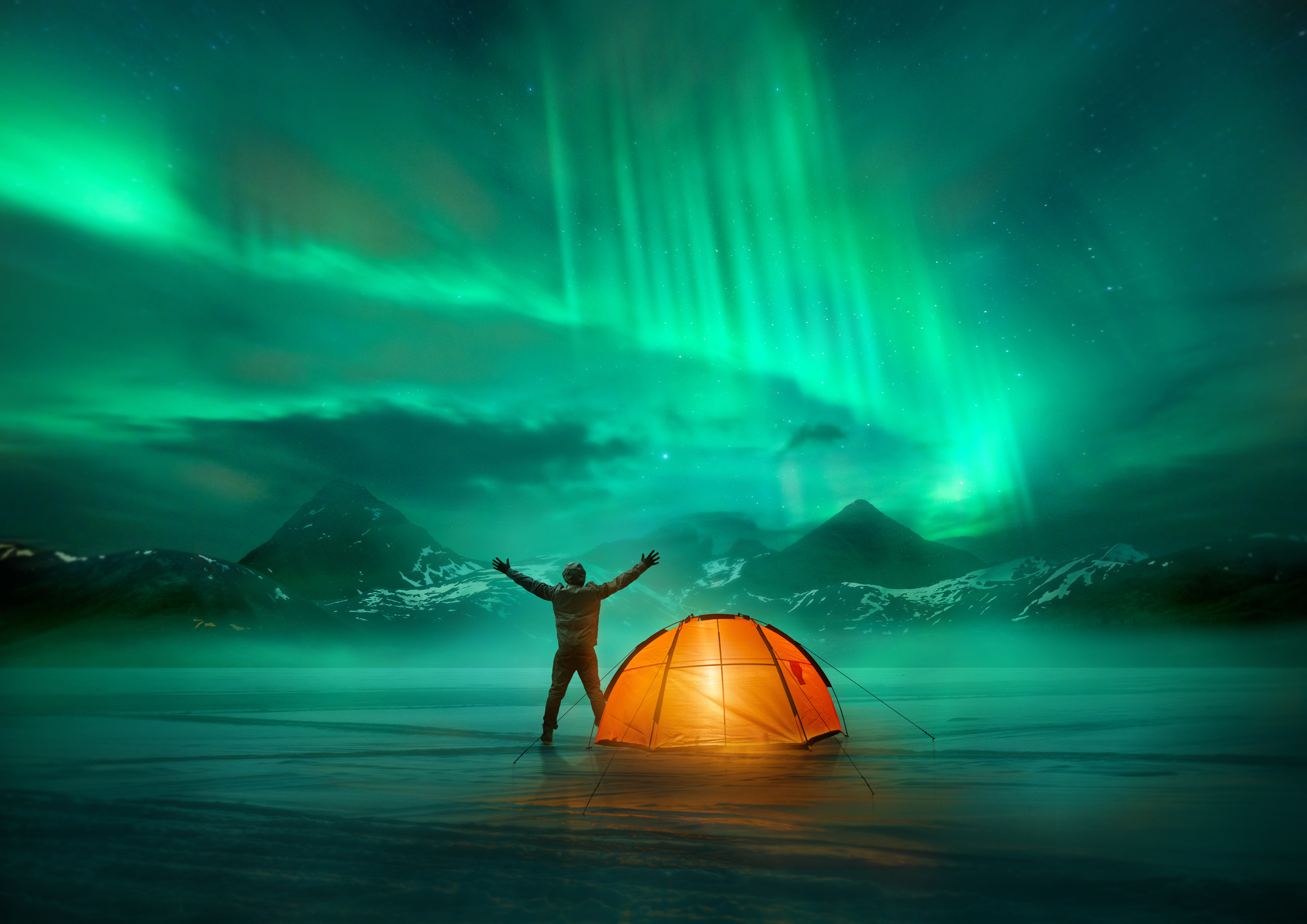
Kvika Foot Bath is a legendary sightseeing and sunset gazing location near the Grótta lighthouse. It is a little man-made hot spring, carved into a large rock and free to use by everyone, anytime. Here is where locals gather to observe the Northern Lights, drink a bottle of Icelandic beer, and enjoy the view.
Reykjadalur Steam Valley and Hot Spring River
Reykjadalur, or the Steam Valley, is a 45-minute drive away from Reykjavik, followed by a half-an-hour hike up in the mountains. What you will reach is totally worth it - a hot springs river flowing through the valley, where you can take a restorative bath free of charge in the heart of the Icelandic wonderland.
ÞÚFA
ÞÚFA is a little green "island", located in the Grandi district of Reykjavik. According to Ólöf Nordal, who designed the place, this is a spot for quietness and meditation within the borders of the city. This is a small hill with a little sculpture on top, rounded by a small grass-covered area - this is where locals and tourists gather to gain a perfect view over the mountains and the Faxaflói Bay.
Grotta Lighthouse
Grotta Lighthouse is located at the very border of the city of Reykjavik and is a major sightseeing location - it is popular for both observing the Northern Lights, and a casual walk away from the hustle and bustle of the city. The lighthouse is directly accessible only at low tide, and the rest of the time, you can only enjoy it from a distance. It is a popular bird-watching spot since several species are nesting in the area.
The Sun Voyager Sculpture
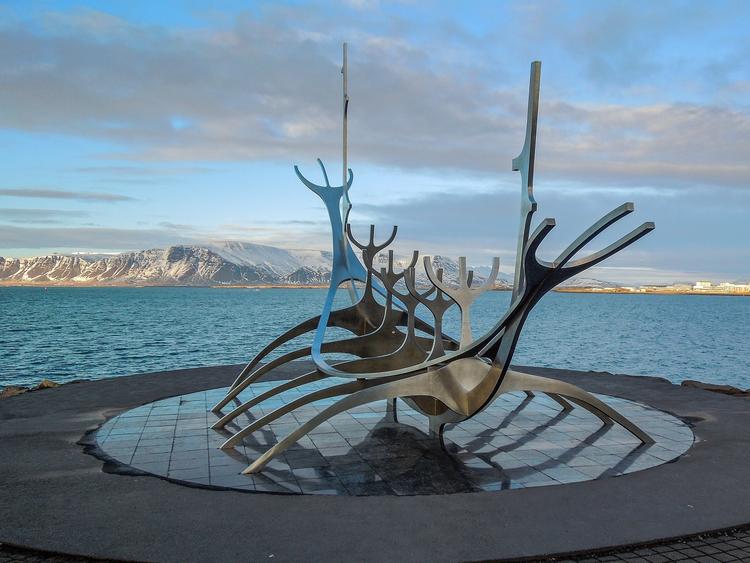
The Sun Voyager is probably the most popular public sculpture in Iceland, and though it is often perceived as a Viking ship, it is actually not. As its name suggests, The Sun Voyager is a symbol of freedom, progress, and hope; a promise for reaching brand-new and undiscovered territories, both literally and metaphorically.