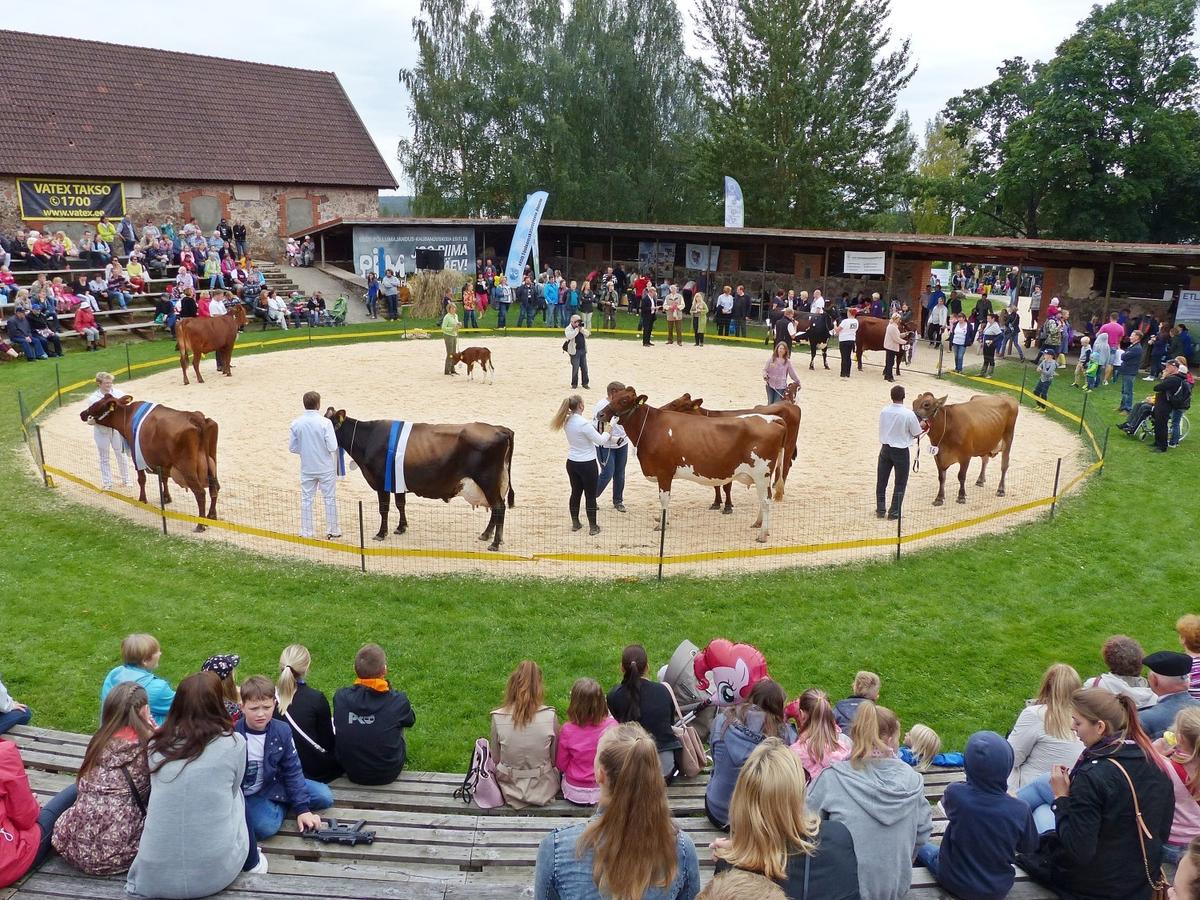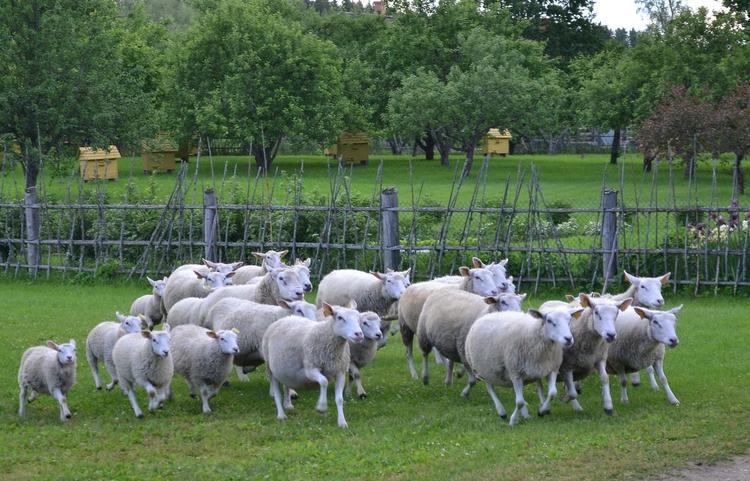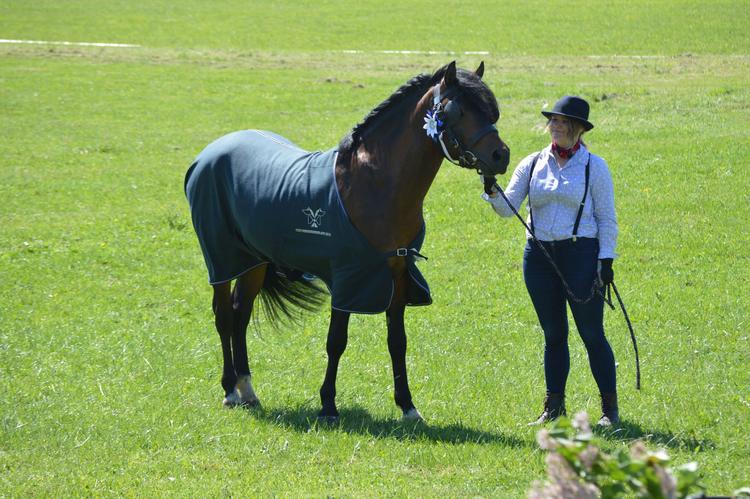


Just outside Tartu is this sprawling outdoor museum set up on the grounds of what was the Ülenurme manor house. The museum explores every aspect of Estonian agriculture, from the old days of hand plows to modern horticulture. There are real, live animals (cow, goats, sheep, rabbits, chickens) and pony rides for little visitors. An extensive collection of old farm machinery (tractors and such) is lined up in rows in the courtyard.
The temporary exhibition “Washing Machine Made of Beetroot”, a collaborative project between the Estonian Road Museum, Estonian Agricultural Museum and Tartu City Museum, explores inventions, ingenuity, recycling and handiwork. The exhibition highlights the remarkably diverse ingenuity and skills that people developed in the challenging circumstances of the Soviet Union. We hope that the creative do-it-yourself tradition serves as inspiration for solving the challenges caused by today’s overabundance.
Museum's newest addition is the Rural Curiosity Centre, combining real animals, playful learning, and eye-opening insights to showcase modern animal welfare and bring Estonia’s rich farming heritage to life through surprising stories.
Just outside Tartu, MUHK / Estonian Agricultural Museum is a spacious museum set on the historic grounds of the former Ülenurme manor. It explores Estonian rural life and agriculture from many angles, from older farming practices and historic machinery to contemporary food production, horticulture and animal welfare. Visitors can meet real animals, including cows, goats, sheep, rabbits and chickens, while younger guests can also enjoy pony rides. In the courtyard, rows of historic farm machinery give a vivid sense of how agricultural work has changed over time.
One of the museum’s standout exhibitions is “Look, I shrank the kolkhoz!”, an exceptionally detailed scale model exhibition at 1:35, depicting life in the Soviet-era collective farm. Through miniature buildings, machinery, interiors and everyday scenes, it opens up an entire world of kolkhoz-era life with remarkable precision and craftsmanship.
From the end of May 2026, the museum will also present the exhibition “Where Did the Sauce Come From and Where Did the Meat Go?!”, focusing on Soviet-era public catering in the Estonian SSR. The exhibition takes visitors behind the scenes of canteens and institutional kitchens, lifts the lids off soup pots to explore what meals were really made of, leafs through old recipes, and invites visitors to the lunch table of both collective farm workers and the Soviet-era elite.
The museum’s newest major development is MUHK, the Rural Curiosity Centre, which brings together real animals, playful learning and surprising insights into modern animal welfare. It offers an engaging way to experience both Estonia’s agricultural heritage and the questions shaping rural life today.
From 15 September, a new contemporary and immersive permanent exhibition, “Why Do I Need Soil?”, will open at the museum. The exhibition explores why soil health matters, what kind of life exists below and above the soil, and how soil is connected to our food, our future food systems and the future of life itself.
The temporary exhibition “Washing Machine Made of Beetroot”, a collaborative project between the Estonian Road Museum, Estonian Agricultural Museum and Tartu City Museum, explores inventions, ingenuity, recycling and handiwork. The exhibition highlights the remarkably diverse ingenuity and skills that people developed in the challenging circumstances of the Soviet Union. We hope that the creative do-it-yourself tradition serves as inspiration for solving the challenges caused by today’s overabundance.
Museum's newest addition is the Rural Curiosity Centre, combining real animals, playful learning, and eye-opening insights to showcase modern animal welfare and bring Estonia’s rich farming heritage to life through surprising stories.
Just outside Tartu, MUHK / Estonian Agricultural Museum is a spacious museum set on the historic grounds of the former Ülenurme manor. It explores Estonian rural life and agriculture from many angles, from older farming practices and historic machinery to contemporary food production, horticulture and animal welfare. Visitors can meet real animals, including cows, goats, sheep, rabbits and chickens, while younger guests can also enjoy pony rides. In the courtyard, rows of historic farm machinery give a vivid sense of how agricultural work has changed over time.
One of the museum’s standout exhibitions is “Look, I shrank the kolkhoz!”, an exceptionally detailed scale model exhibition at 1:35, depicting life in the Soviet-era collective farm. Through miniature buildings, machinery, interiors and everyday scenes, it opens up an entire world of kolkhoz-era life with remarkable precision and craftsmanship.
From the end of May 2026, the museum will also present the exhibition “Where Did the Sauce Come From and Where Did the Meat Go?!”, focusing on Soviet-era public catering in the Estonian SSR. The exhibition takes visitors behind the scenes of canteens and institutional kitchens, lifts the lids off soup pots to explore what meals were really made of, leafs through old recipes, and invites visitors to the lunch table of both collective farm workers and the Soviet-era elite.
The museum’s newest major development is MUHK, the Rural Curiosity Centre, which brings together real animals, playful learning and surprising insights into modern animal welfare. It offers an engaging way to experience both Estonia’s agricultural heritage and the questions shaping rural life today.
From 15 September, a new contemporary and immersive permanent exhibition, “Why Do I Need Soil?”, will open at the museum. The exhibition explores why soil health matters, what kind of life exists below and above the soil, and how soil is connected to our food, our future food systems and the future of life itself.