Getting Around Zurich: Trams, Trains, Buses and Boats
12 minutes
Zurich is not a city that makes getting around difficult. It is a city that makes getting around almost suspiciously pleasant, which for anyone arriving from a major European capital feels vaguely like being set up. The trams come every few minutes. The trains leave on time. The lake boats are integrated into the ticketing system. There is a funicular up to the university that has been running since 1889 and still manages to be more reliable than most things built this century. The main thing you need to know is that all of this runs under a single umbrella organisation called the ZVV, that one ticket covers all of it, and that travelling without a valid one will cost you CHF 100. Zurich has arranged things very efficiently in all directions.
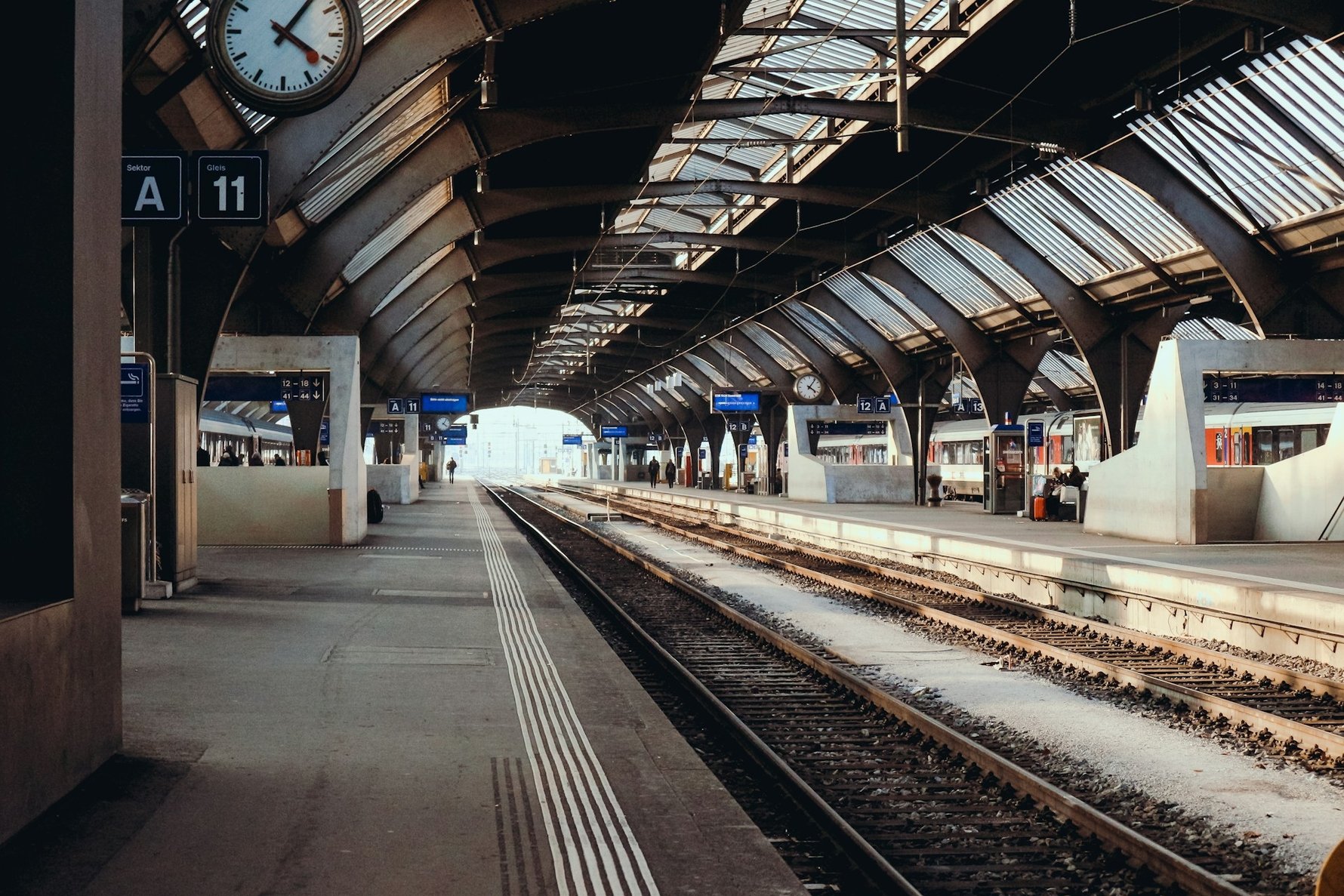
Zurich HB – Hauptbahnhof, or main station, though everyone just calls it HB – is Switzerland's largest railway station, the busiest transport hub in the country, and, according to the European Railway Station Index, the best-performing rail hub in Europe for five consecutive years to 2025. It handles around 438,000 passengers on a typical working day across 26 platforms. It also has a ShopVille shopping mall in its basement with nearly 200 shops and restaurants, a Sprüngli confectioner with five outlets in the building, and a chapel, should the crowds get too much.
The station sits at the northern end of Bahnhofstrasse, Zurich's main shopping street, and at the northern edge of the old town. Tram stops surround it on three sides. The S-Bahn departs from underground. The airport is ten minutes away by direct train. For all practical purposes, HB is where everything starts and where everything ends, and navigating the rest of the city becomes significantly easier once you have found your bearings here.
Tickets and travel information are available from the SBB Travel Centre inside the main hall, which moved to the south side of the Haupthalle in 2024. The blue touch-screen ticket machines throughout the station accept cards and cash and can be switched to English on the first screen. Luggage lockers are one level down, via the escalators in the central concourse.
Trams: The Backbone of the City
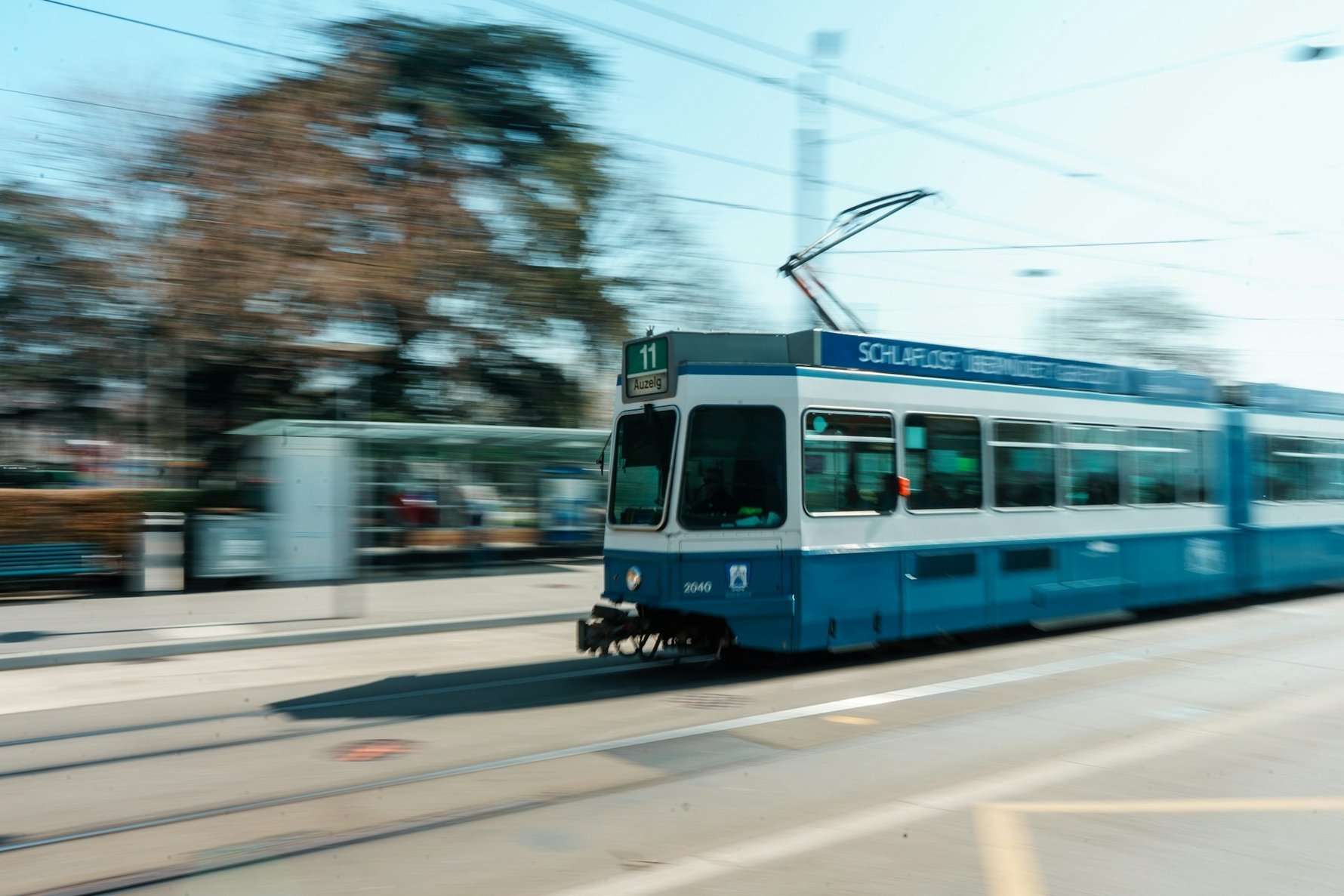
Zurich has been running electric trams since the 1890s, and the network has had over a century to work out where it should go. The answer, broadly, is everywhere. Fifteen tram lines operated by VBZ (Verkehrsbetriebe Zürich) cover most of the city, running from around 05:30 until shortly after midnight, with departures every seven to ten minutes on most central routes during the day. There is a stop roughly every 300 metres. If you miss one, another will be along before you have had time to feel annoyed about it.
The trams are Zurich's default mode of transport, and for good reason. They serve the old town, Bahnhofstrasse, Paradeplatz (the central tram interchange), Bellevueplatz by the lake, the nightlife district of Zurich West, the area around the opera house, and most things in between. Where trams do not go, buses do. Between the two, the city has very few gaps.
One thing worth knowing: trams always have right of way, including at pedestrian crossings. Tram drivers will remind you of this with the bell if necessary. They are not bluffing.
VBZ also operates an extensive bus network of over 50 daytime routes, including six trolleybus lines running on overhead electric cables. Buses cover the hillier neighbourhoods and residential areas that the tram network does not reach, and they share the same ZVV ticketing system throughout. In practice, for most visitors, the trams do most of the work and the buses fill in the edges.
The bus network is also responsible for night services once the trams stop running. On Friday and Saturday nights, the Nachtnetz (night network) operates from around 01:00 until the early morning hours, with buses departing from Zurich HB and a handful of other central hubs. Unlike the Lucerne equivalent, a standard day pass that is still valid past midnight covers night bus travel in Zurich; those without one simply buy a regular single ticket. Around 30,000 passengers use the night network on a typical weekend night, which suggests the city has found a reasonable equilibrium between public transport and the various reasons people need it at 2am.
The S-Bahn: City and Region
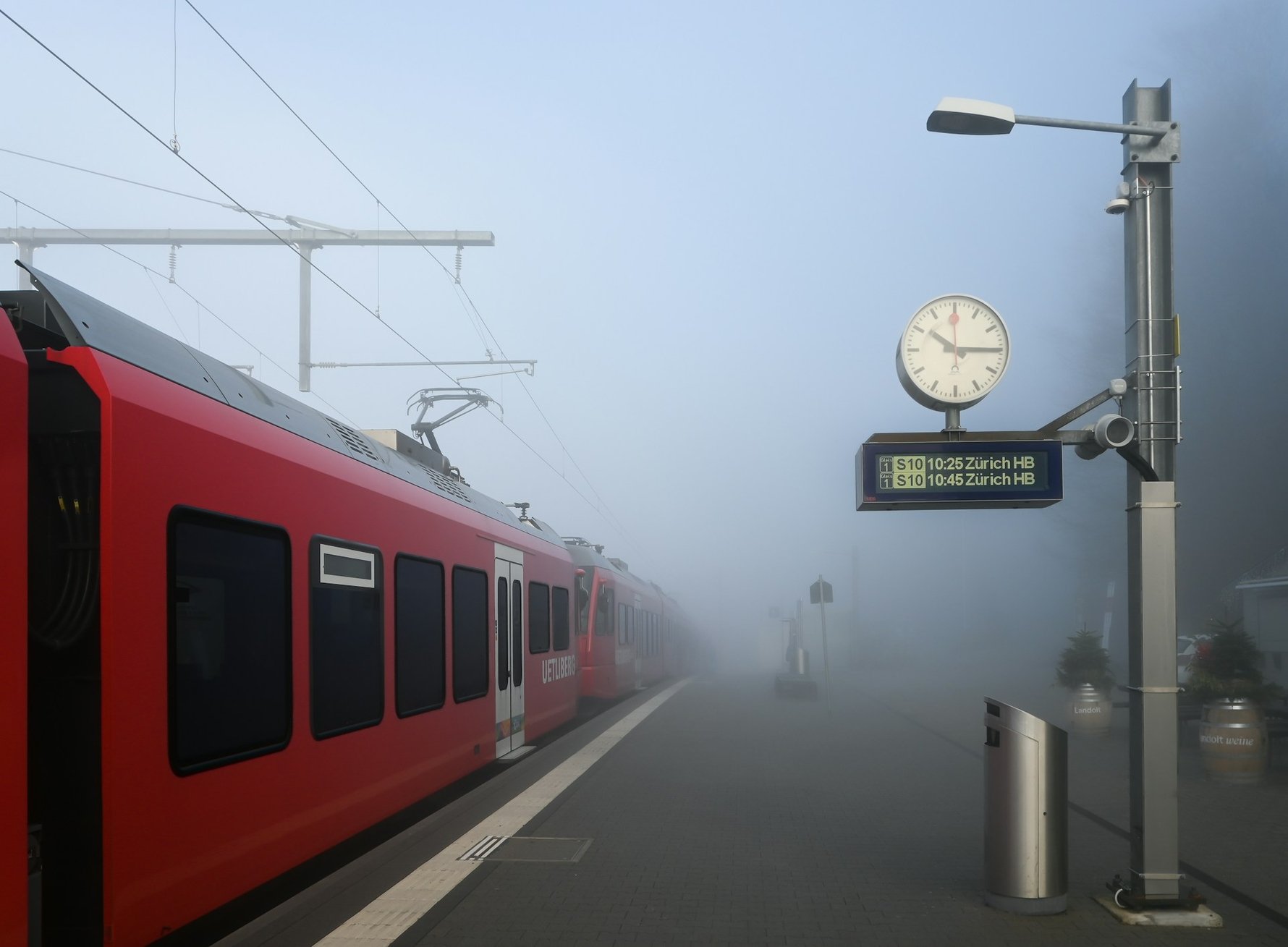
The ZVV S-Bahn is the suburban rail network covering Zurich and the wider canton, with 390 kilometres of track extending into neighbouring cantons and even into southern Germany. It is the mode of choice for longer journeys within the region: faster than a tram, with far fewer stops, and running on a regular clockface timetable that makes planning straightforward. Trains depart from the underground platforms at Zurich HB every ten to fifteen minutes on most lines during the day.
For visitors, the S-Bahn is most immediately useful for getting to the airport (S2, S16 or S24 from the underground platforms; ten to twelve minutes), for day trips to places like Winterthur (around twenty minutes), Rapperswil at the southern end of Lake Zurich (forty-five minutes), and Schaffhausen for the Rhine Falls (around fifty minutes). The S10 to Uetliberg – Zurich's local mountain at 871 metres, with a panoramic view over the city and the Alps on clear days – takes around twenty-five minutes from HB. All of this is covered by a standard ZVV zone ticket for the relevant zones, or by the Swiss Travel Pass.
The Polybahn is a small red funicular that has been running since 1889, connecting the Limmatquai at the edge of the old town with the Polyterrasse terrace at ETH Zurich, the Swiss Federal Institute of Technology. The journey takes about ninety seconds, the view from the top takes in the Limmat, Niederdorf, and both of Zurich's famous twin churches (the Fraumünster and Grossmünster), and the whole thing operates with a regularity that makes you feel slightly ashamed of public transport elsewhere. It is run by VBZ, covered by standard ZVV tickets, and is essentially a way of avoiding a steep hill – which has been a legitimate use of funiculars throughout history.
VBZ also operates the Seilbahn Rigiblick funicular in the north of the city and the Dolderbahn rack railway near the Dolder Grand hotel. None of these are essential for most itineraries, but all are covered by ZVV zone tickets and the Zürich Card, and the Polybahn in particular is worth a ride if you are in the area.
Boats on Lake Zurich and the Limmat
Zurich sits at the north-western end of a 42-kilometre lake, and the Lake Zurich Navigation Company (ZSG) has been making use of this fact since 1890 or thereabouts. The company operates a fleet of motor vessels and two historic paddle steamers – the Stadt Zürich (1909) and Stadt Rapperswil (1914) – on both the lake and the River Limmat, carrying around 1.2 million passengers annually.
The boats are integrated into the ZVV fare system, which means that a standard zone ticket valid for the appropriate zones covers boat travel as well as trams, buses and trains. For visitors, the most useful options are the short Limmat river cruise (departing from the Landesmuseum, near HB, and running through the old town to the top of the lake), the Kleine Seerundfahrt mini lake cruise of around ninety minutes from Bürkliplatz, and the longer cruises down to Rapperswil. Boats also serve the Lindt chocolate factory at Kilchberg, which some visitors will file under transport and others under priorities.
The full cruise from Zurich to Rapperswil and back takes around four hours and fifteen minutes in total. The boats have on-board restaurants on the longer routes, and the prices are, frankly, high – even by Swiss standards, which is saying something. Timetables and bookings at zsg.ch. Services run year-round, more frequently in summer.
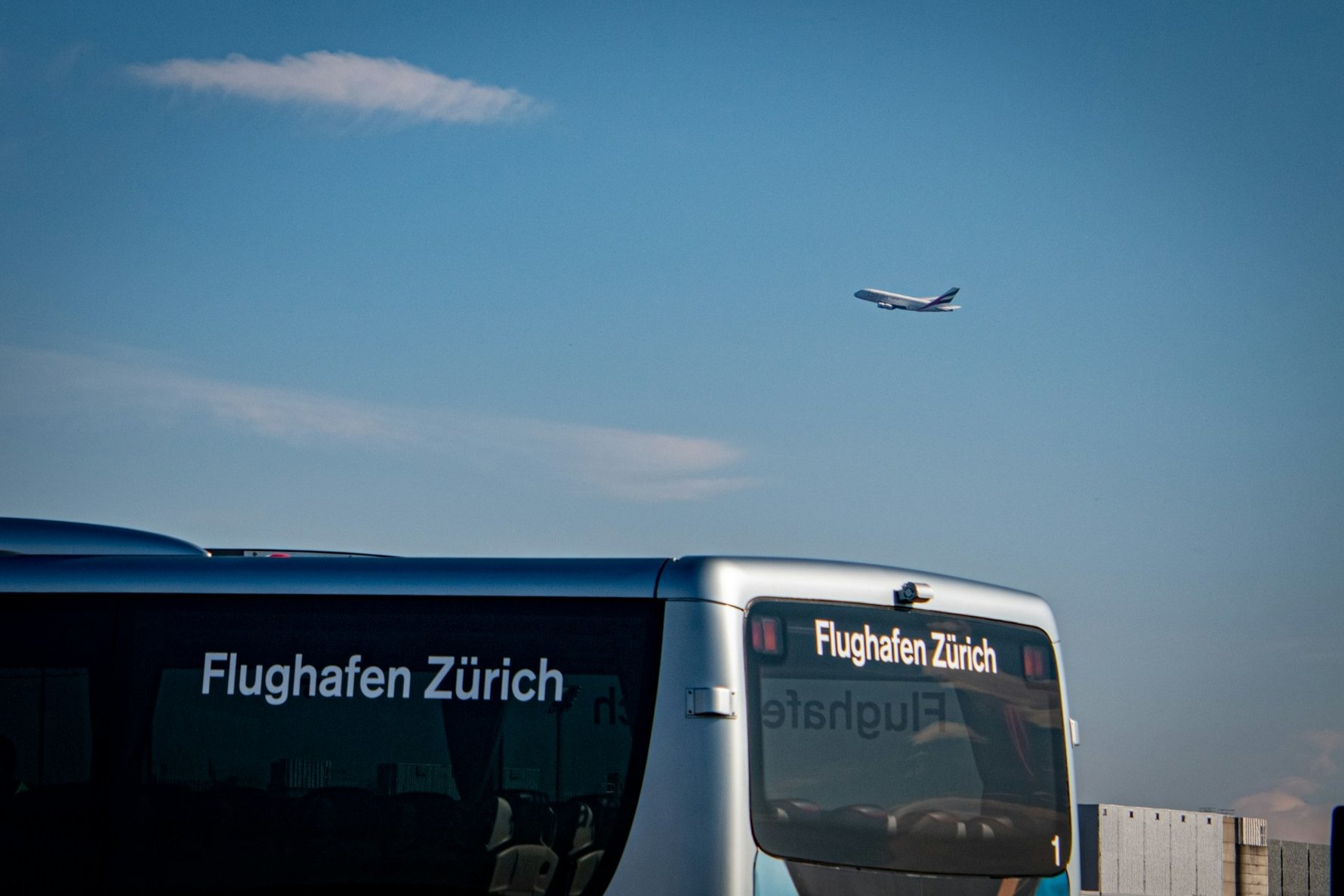
Zurich Airport (officially Flughafen Zürich, located in Kloten, roughly nine kilometres north of the city centre) is the main international gateway for visitors to Zurich and to much of Switzerland. The connection into the city is as straightforward as Swiss infrastructure gets: from the airport train station directly beneath Terminal B, S-Bahn services (S2, S16, and S24) run to Zurich HB every five to ten minutes, with the fastest taking around ten to twelve minutes. Tickets cost approximately CHF 7 for the two-zone journey (or are covered by the Swiss Travel Pass). The Zürich Card, if you are buying one, is valid from the airport.
There is no meaningful reason to take a taxi from the airport unless you have unusual amounts of luggage or an unusual aversion to the train. An Uber from the airport to the city centre costs around CHF 35; a metered taxi runs to CHF 60–70 depending on traffic, plus an airport surcharge. The train takes twelve minutes and costs CHF 7. The maths is not complicated.
Tickets, Passes and What to Buy
The ZVV zone system covers all public transport in the Canton of Zurich – trams, buses, S-Bahn trains, boats, funiculars – under a single ticket structure. The city of Zurich falls within Zone 110. Tickets and passes can be bought at machines at stops and stations (switchable to English), via the SBB Mobile app, or at the ZVV app. All machines accept cards and cash.
Key fares for Zone 110 (city centre):
Short-trip ticket (up to five stops, 30 minutes): CHF 2.80
Single ticket (one hour, Zone 110): CHF 4.60
24-hour day pass (Zone 110): CHF 9.20. Worth buying on any day you plan to use public transport more than twice. The fine for travelling without a valid ticket is CHF 100, which concentrates the mind.
Two-zone ticket (city plus airport or Uetliberg): around CHF 7 for a single, CHF 18 for a 24-hour pass. Note that both the airport and Uetliberg fall outside Zone 110 and require a zone upgrade.
Zürich Card – Available for 24 or 72 hours, covering unlimited second-class travel on all ZVV transport (trams, buses, S-Bahn, boats, funiculars and cable cars) across the city and surrounding region. Also includes free admission to most city museums, free river and mini lake cruises, discounts at restaurants and cultural venues, and – crucially – is valid from the airport, covering the initial train into the city. Available at the airport, Zurich HB, the tourist office, and online via the Zürich City Guide app. If you are planning to visit more than one or two museums during your stay, it pays for itself fairly quickly.
Swiss Travel Pass – The national option, covering all SBB trains, PostBuses, city transport, and scheduled lake boats across Switzerland, plus free museum entry and 50% off many mountain railways. If Zurich is one stop on a broader Swiss itinerary, this is almost certainly better value than buying ZVV tickets separately.
Swiss Half Fare Card – CHF 120 for a month of 50% off virtually all public transport in Switzerland. Not useful for a short visit, but worth knowing about for longer stays.
Taxis and Apps
Zurich taxis are metered, reliable, and widely reported to be among the most expensive in the world. A base fare of around CHF 7, plus approximately CHF 2.70 per kilometre, means a short ride within the city typically comes in at CHF 16–22; a trip to the airport runs to CHF 60–70, plus an airport surcharge of around CHF 9.50. Taxi stands are at the south exit of HB (Bahnhofplatz side) and at major hotels; the main operator is 7x7 Taxi (+41 44 777 77 77; 7x7.ch), which also has an app.
Uber operates in Zurich at somewhat lower prices than metered taxis. Bolt launched its taxi service in the city in April 2024, positioning itself as cheaper than Uber and considerably cheaper than conventional taxis. Both apps function exactly as you would expect.
Walking
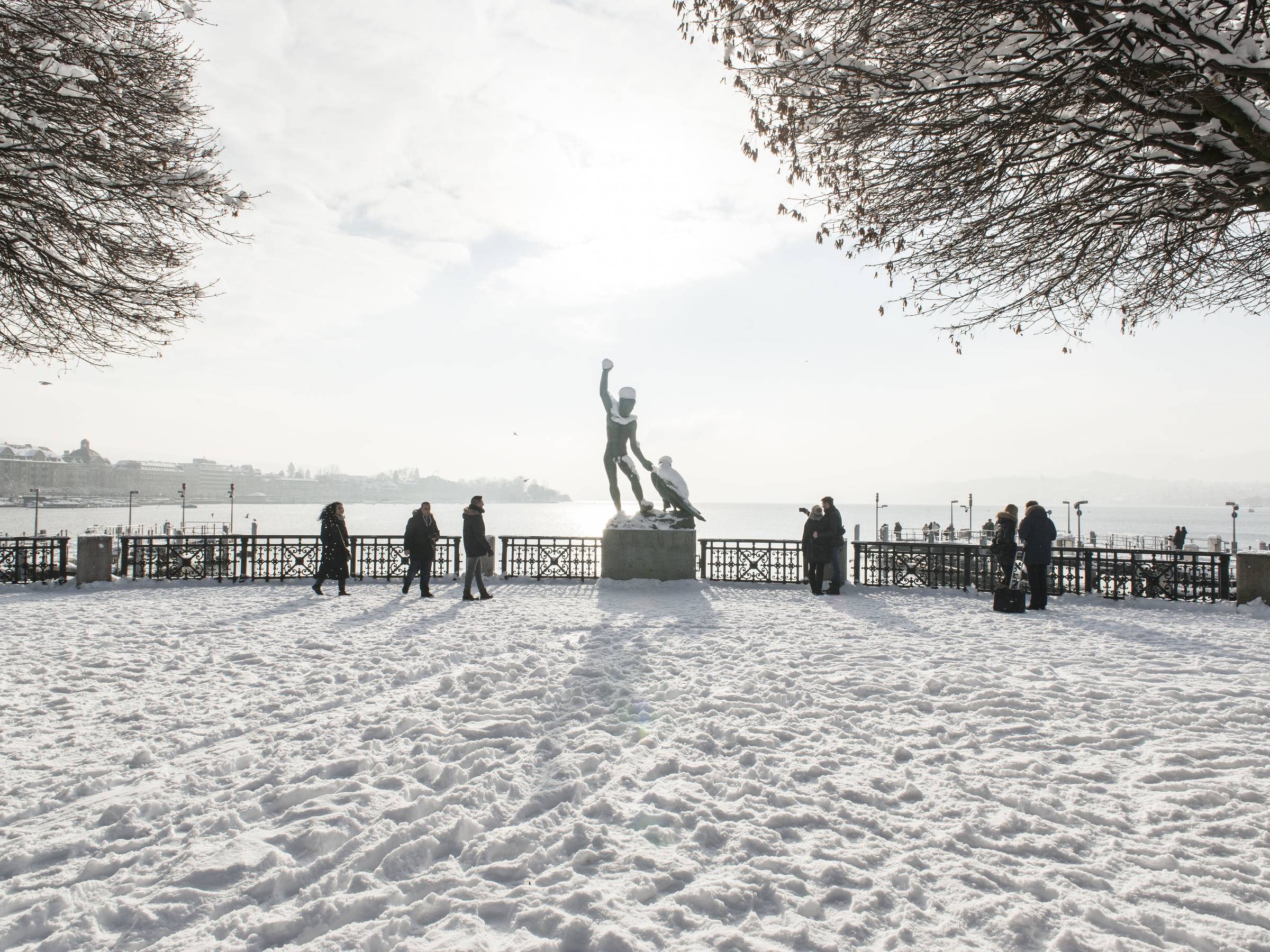
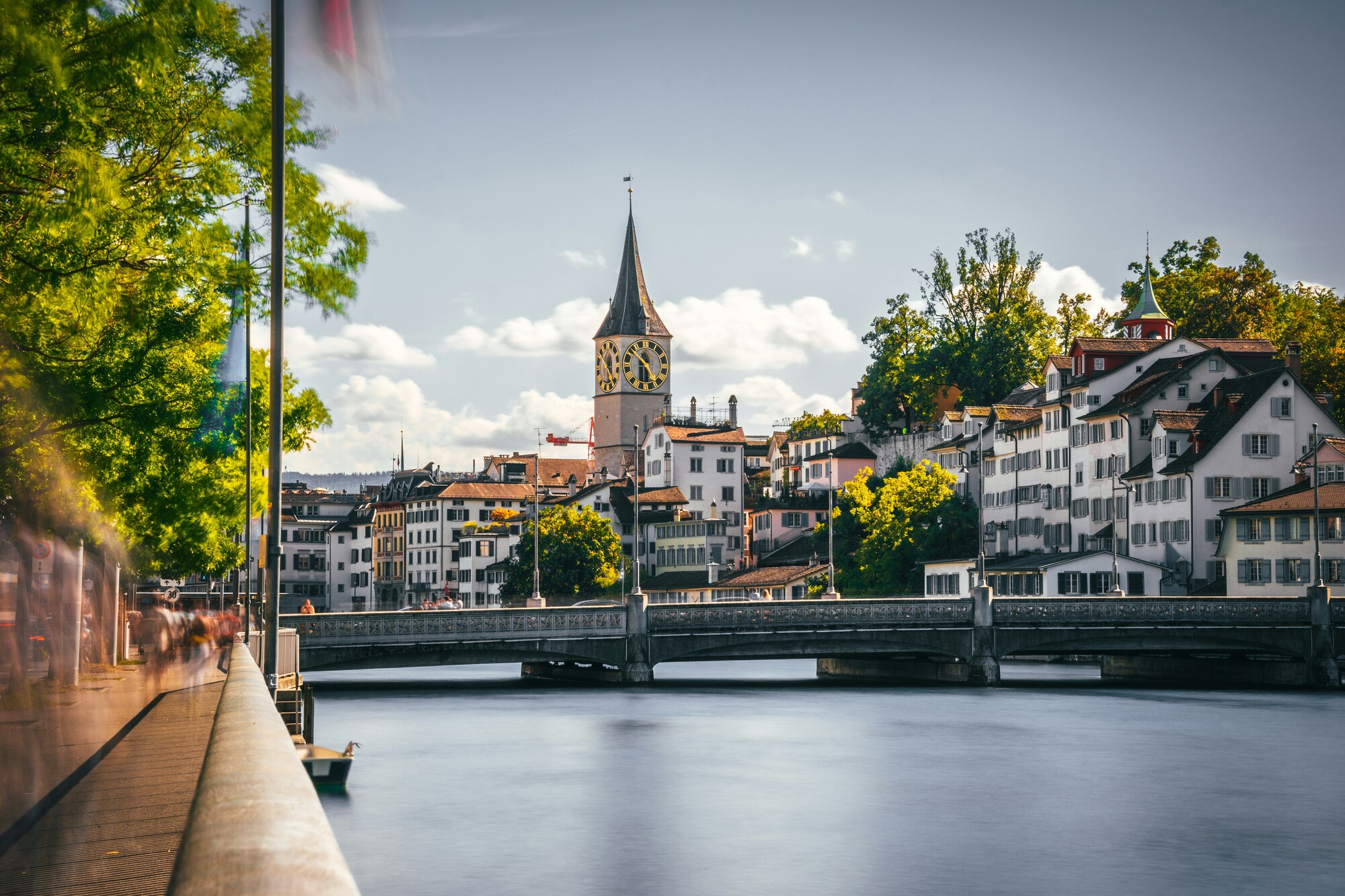
The old town – the Altstadt on both banks of the Limmat – is compact enough that most of what visitors want to see is within comfortable walking distance of the centre. From Zurich HB, the Grossmünster is around fifteen minutes on foot; the lakefront at Bürkliplatz is about the same. The cobbled lanes of Niederdorf on the eastern bank are best explored without any particular plan. The quays along both the lake and the river are well-maintained, flat, and pleasant to walk along in almost any weather.
The terrain gets hillier to the north and east – the Zürichberg, the Hönggerberg, the university district – and this is where the trams and the Polybahn earn their keep. Within the historic core, though, walking is usually the fastest and most enjoyable option, and the one that requires no ticket.
A Note on Driving
Driving into central Zurich is not something we would encourage. Parking is expensive and limited; on-street spaces in the city centre cost upwards of CHF 4 per hour, and the central zone is increasingly prioritised for trams, cyclists and pedestrians rather than cars. The tram network and S-Bahn handle the city more efficiently than any car can. For those arriving by car and staying in the centre, park-and-ride facilities on the outskirts feed into the ZVV network at considerably lower cost.
A car becomes worthwhile if you are planning to explore the more remote corners of the canton – the Zurich Oberland, the quieter Limmat valley towns, the rural southern reaches of the lake – where public transport exists but thins out. For the city itself and the main lake and mountain destinations, the ZVV does the job better, and without the parking fee.