Rome is one of those cities that almost everyone dreams of visiting at least once. Images of ancient ruins, monumental squares and famous fountains are known around the world. Yet when travellers start planning their trip, many realise that Rome is much larger and more complex than expected.
The Italian capital is not just a city with a few famous sights. It’s a vast open-air museum where ancient ruins, Renaissance churches and lively neighbourhoods all coexist. Understanding how the city is organised before arriving can make a huge difference when planning your days.
A good way to start is by getting an overview of the main attractions and districts. This helpful guide to what to see in Rome explains the city’s most important landmarks and neighbourhoods, making it easier to organise a realistic itinerary without rushing from one monument to another.
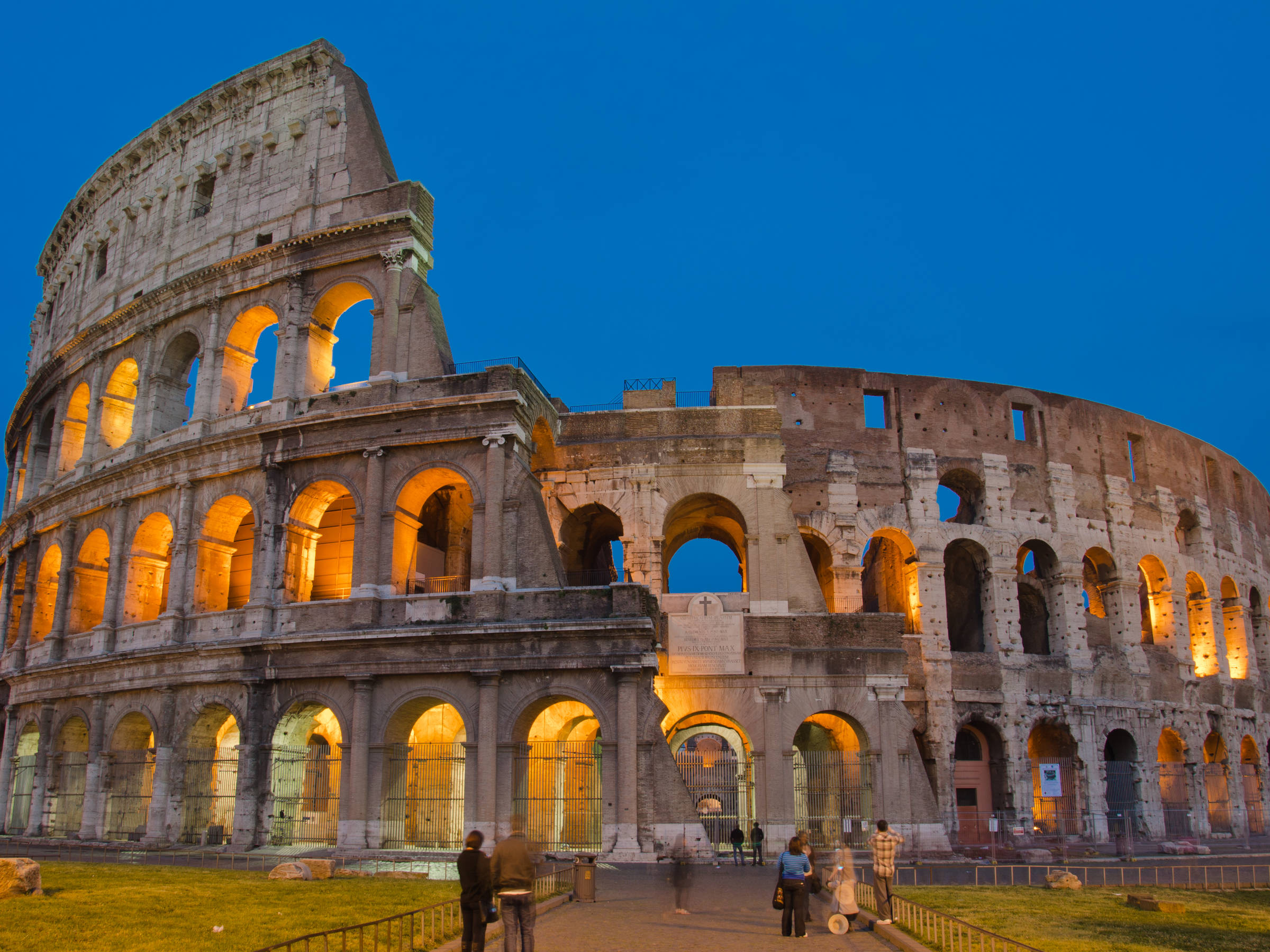
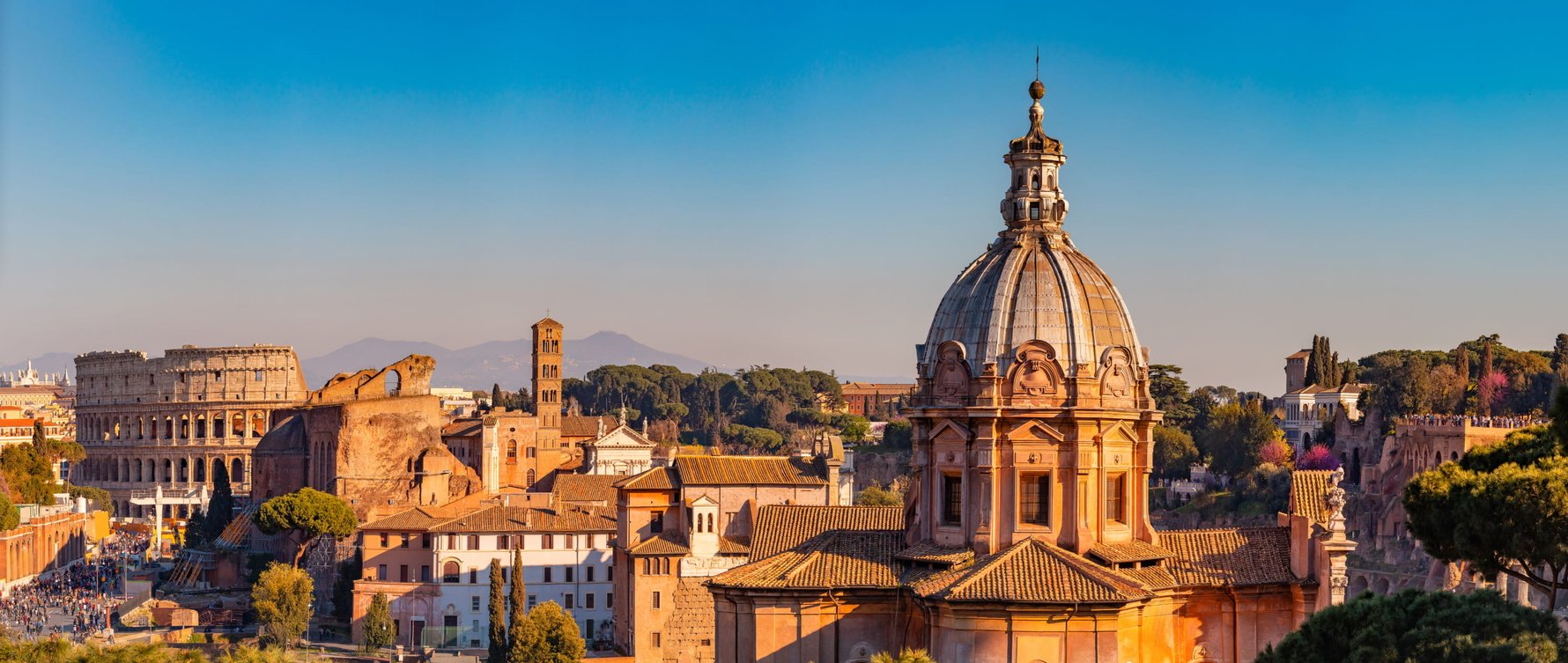
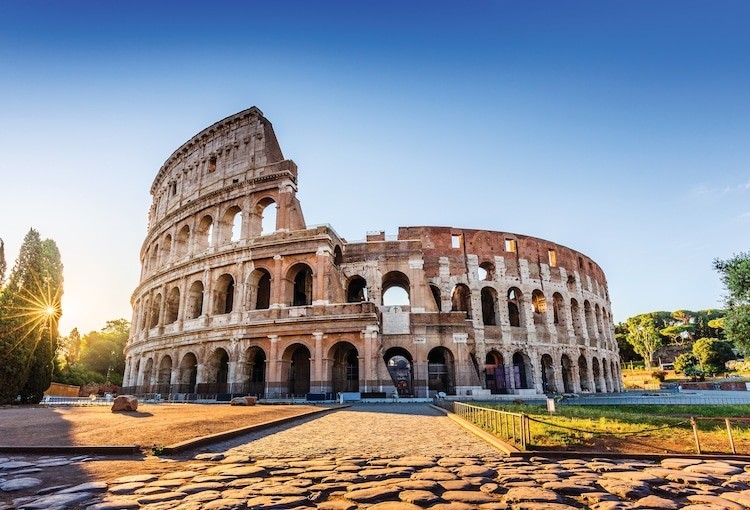
Some places in Rome are simply impossible to miss. The Colosseum, for example, remains the most recognisable monument of ancient Rome and one of the most visited archaeological sites in the world. Built nearly two thousand years ago, the amphitheatre once hosted gladiator fights and spectacular public events. Today the Colosseum forms part of a wider archaeological area that also includes the Roman Forum and Palatine Hill.
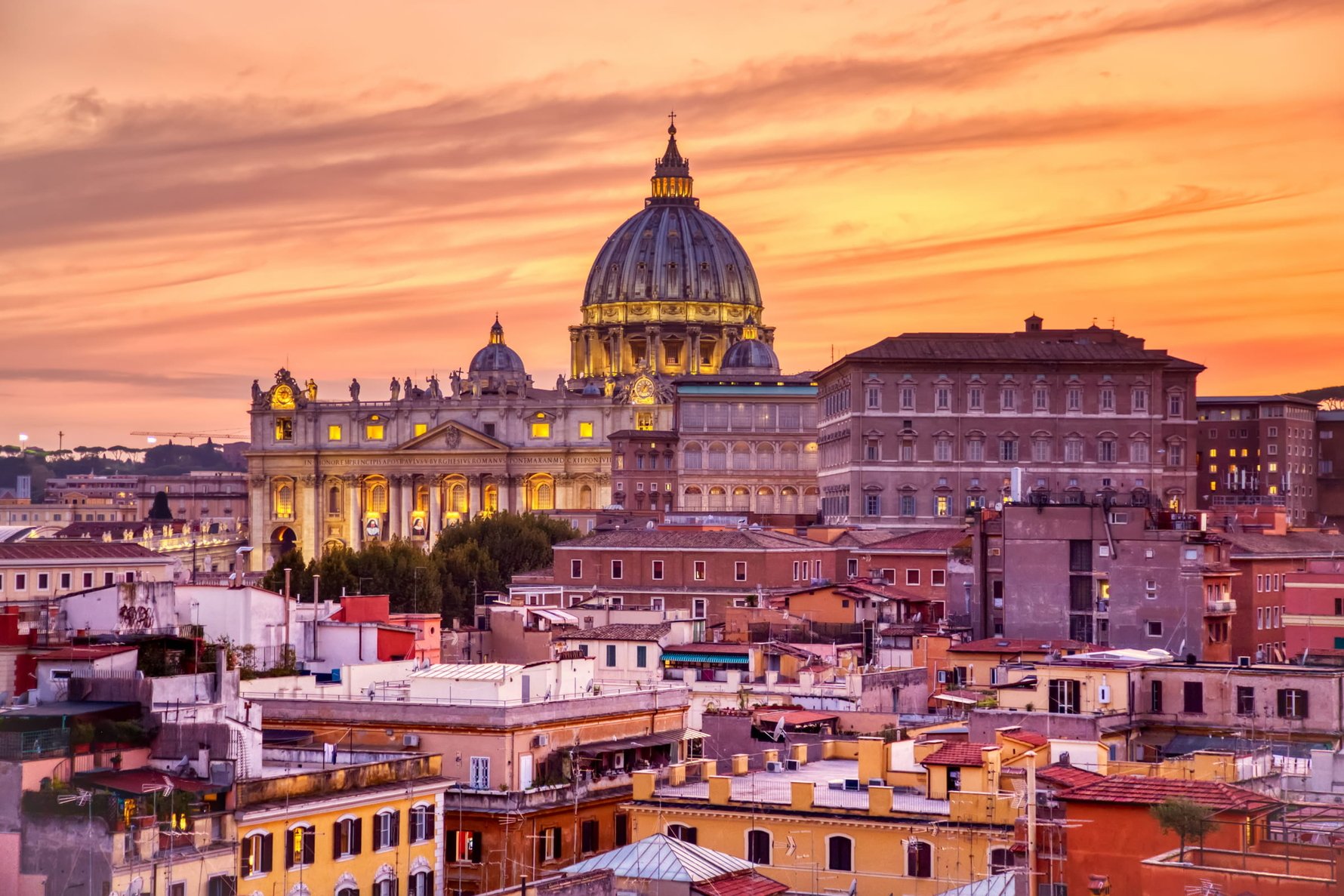
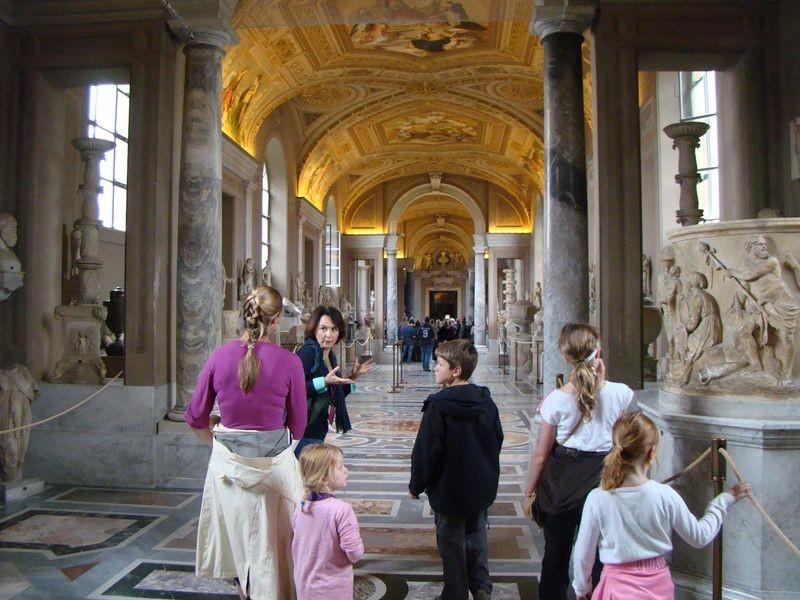
Another essential destination is Vatican City. This small independent state sits within Rome and is home to St Peter’s Basilica and the Vatican Museums. The museum complex houses one of the world’s most important art collections, including Michelangelo’s famous Sistine Chapel ceiling. More details about the collections and exhibitions can be found on the official Vatican Museums website.
Exploring Rome’s Historic Centre
Beyond the iconic monuments, Rome’s historic centre is filled with beautiful squares, fountains and narrow streets waiting to be explored.
Piazza Navona is one of the most elegant squares in the city, famous for its Baroque architecture and Bernini’s Fountain of the Four Rivers. A short walk away, the Pantheon stands as one of the best-preserved buildings from ancient Rome.
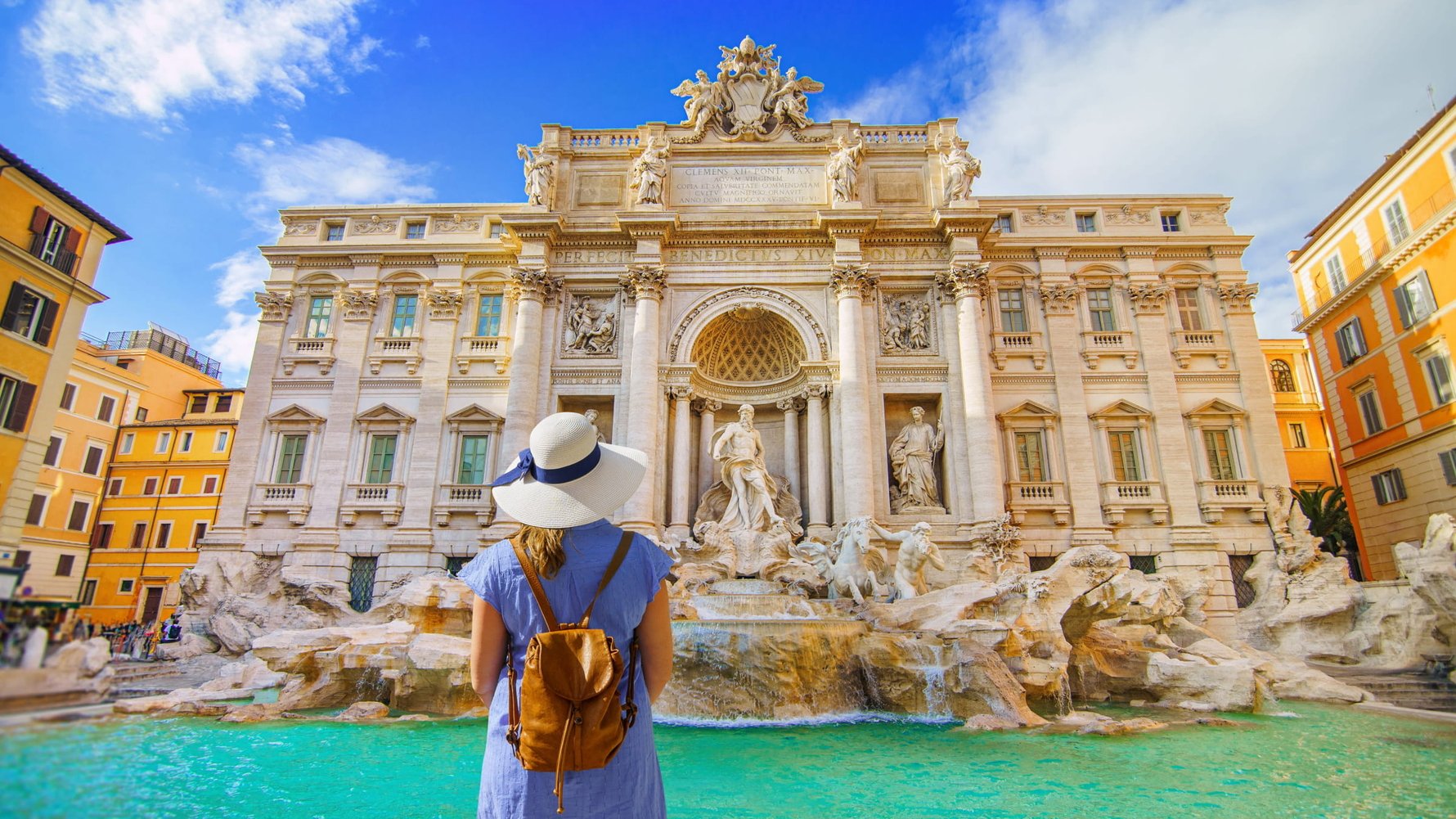
Of course, no visit to the historic centre is complete without stopping at the Trevi Fountain. Visitors from around the world gather here to toss a coin into the fountain, following a long-standing tradition that promises a return to Rome.
The historic centre itself has been recognised as a UNESCO World Heritage Site, highlighting the extraordinary cultural and historical significance of the city.
Rome is also a city best experienced by exploring its neighbourhoods. Each district has its own character and atmosphere.
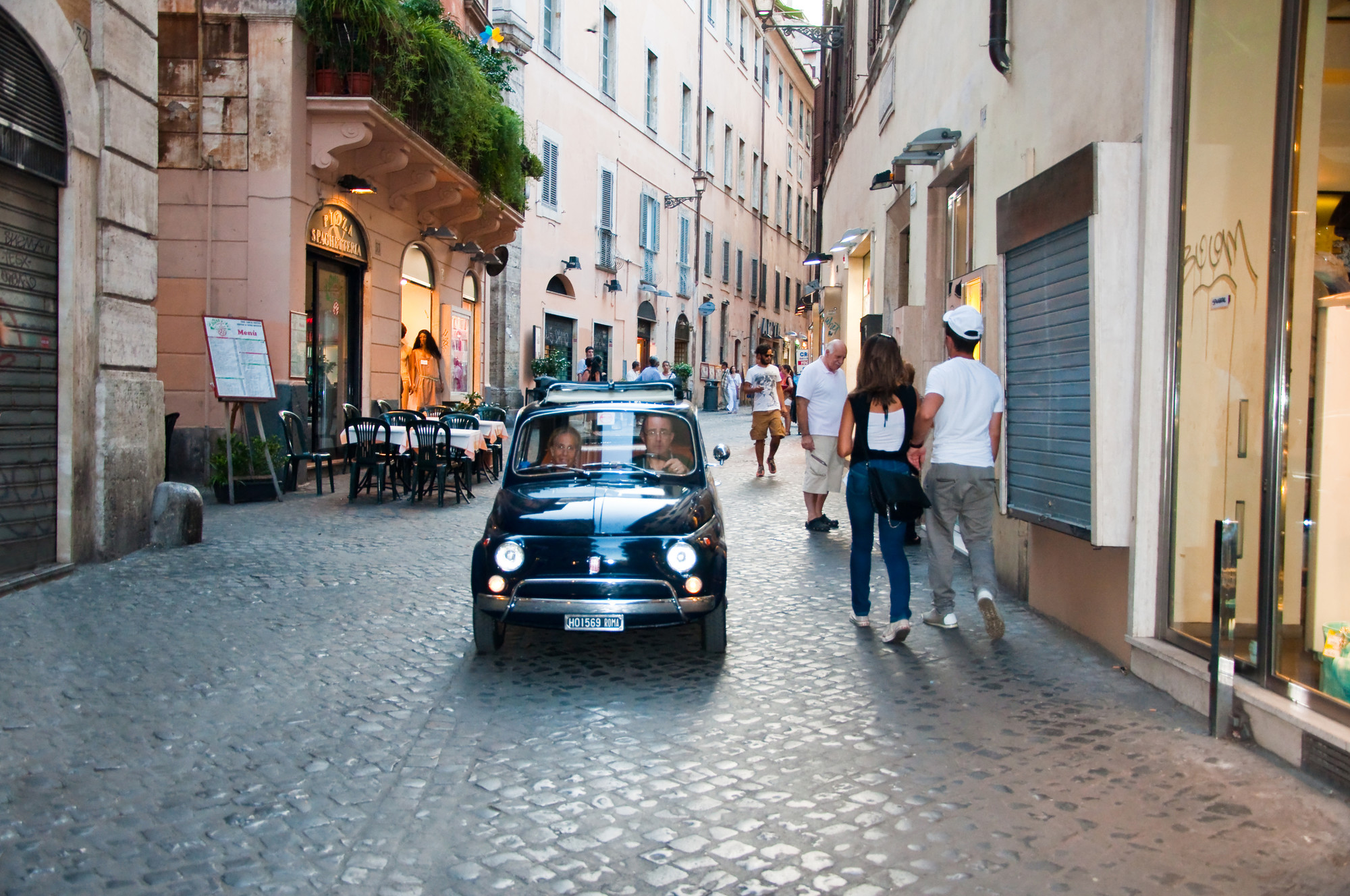
Trastevere, located across the Tiber River, is known for its charming streets, lively evening scene and traditional Roman restaurants. Monti, near the Colosseum, offers a mix of historic streets, small boutiques and relaxed cafés.
Walking through these neighbourhoods often reveals some of Rome’s most memorable moments, far from the crowds of the major monuments.
Food: An Essential Part of Rome
No trip to Rome would be complete without experiencing its cuisine. Traditional Roman dishes such as carbonara, cacio e pepe and amatriciana are still served in countless trattorias across the city.
After a day of sightseeing, sitting down in a small restaurant and enjoying a long dinner is one of the best ways to experience everyday Roman life.
Rome is a city where history is everywhere. Ancient ruins stand beside bustling streets, while centuries-old churches overlook lively piazzas filled with locals and visitors.
With a bit of preparation and a good understanding of the city’s layout, planning a visit becomes much easier. The result is a trip that feels less overwhelming and far more enjoyable in one of the most fascinating cities in the world.